Metro Manila, September 2025 — Policy innovators, developers, and digital advocates in the Philippines are reshaping the conversation around online safety—placing responsibility, foresight, and inclusivity at the heart of technology design.
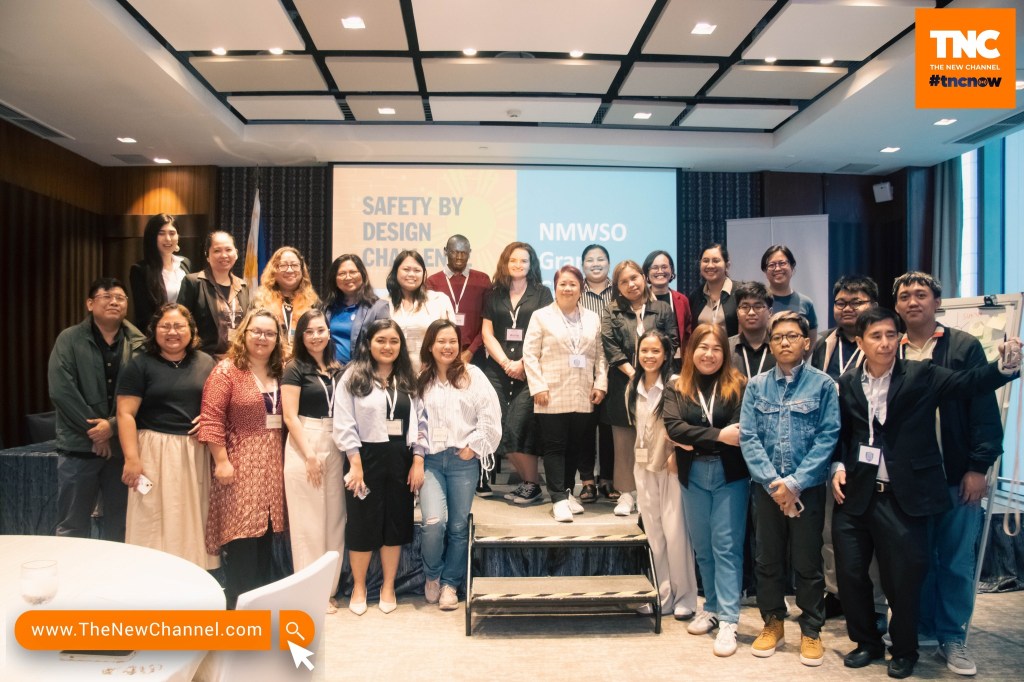
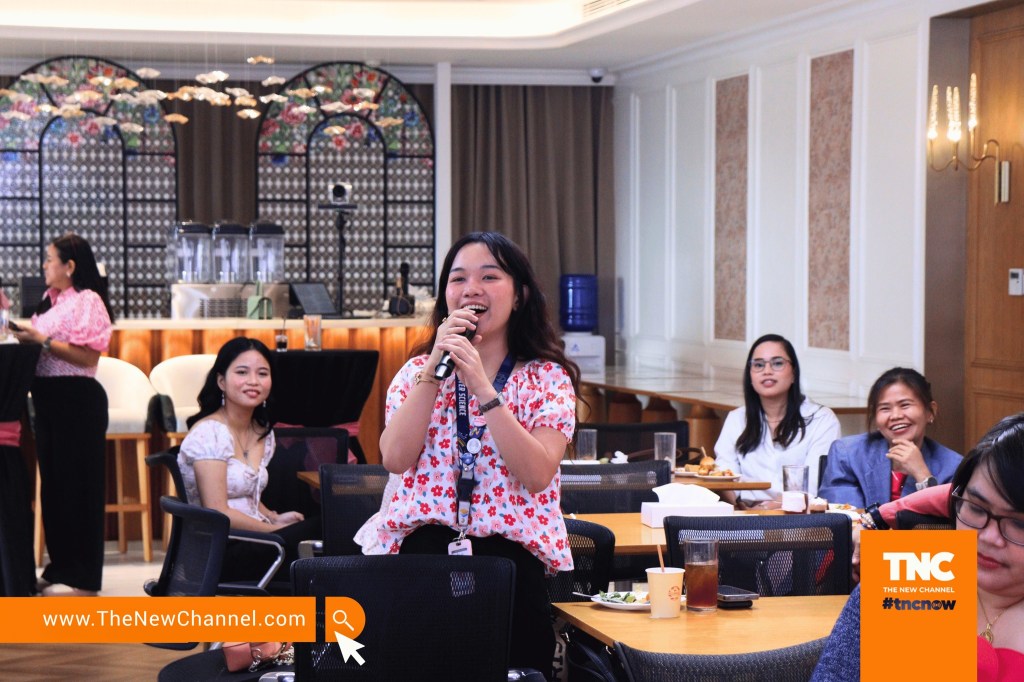
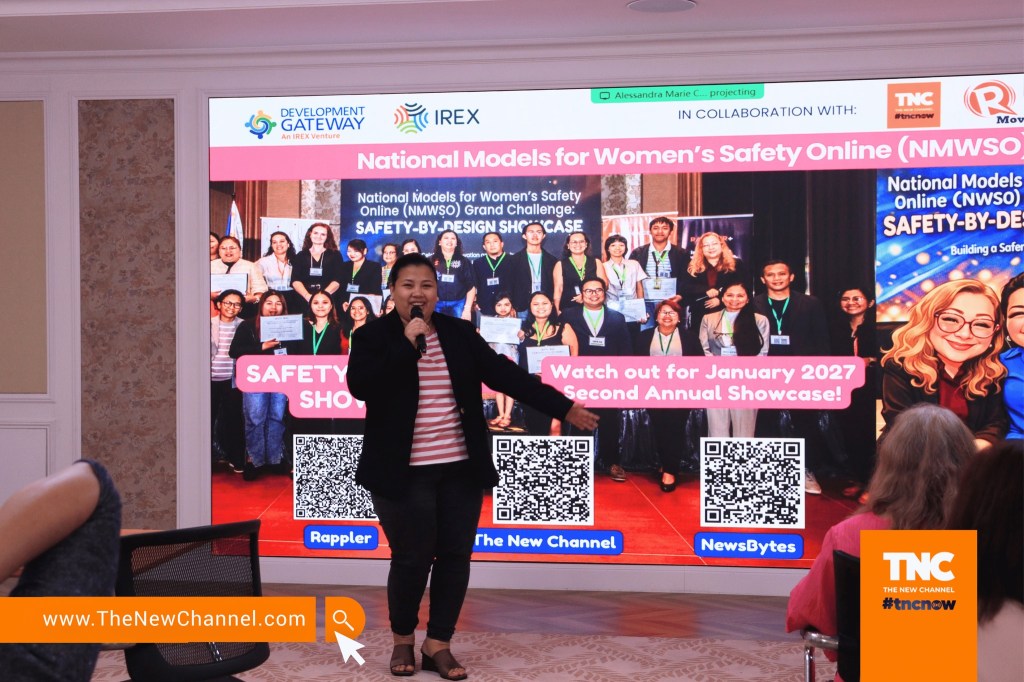
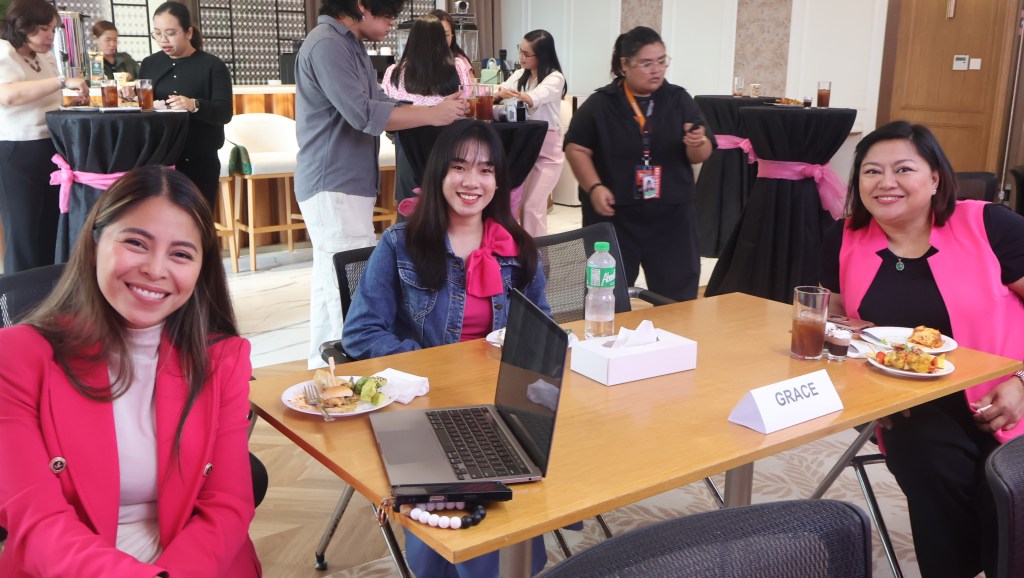
This shift was on full display during the Safety-by-Design (SbD) Workshop and the launch of the National Models for Women’s Safety Online (NMWSO), held September 3–5 at Marco Polo Ortigas, Metro Manila.
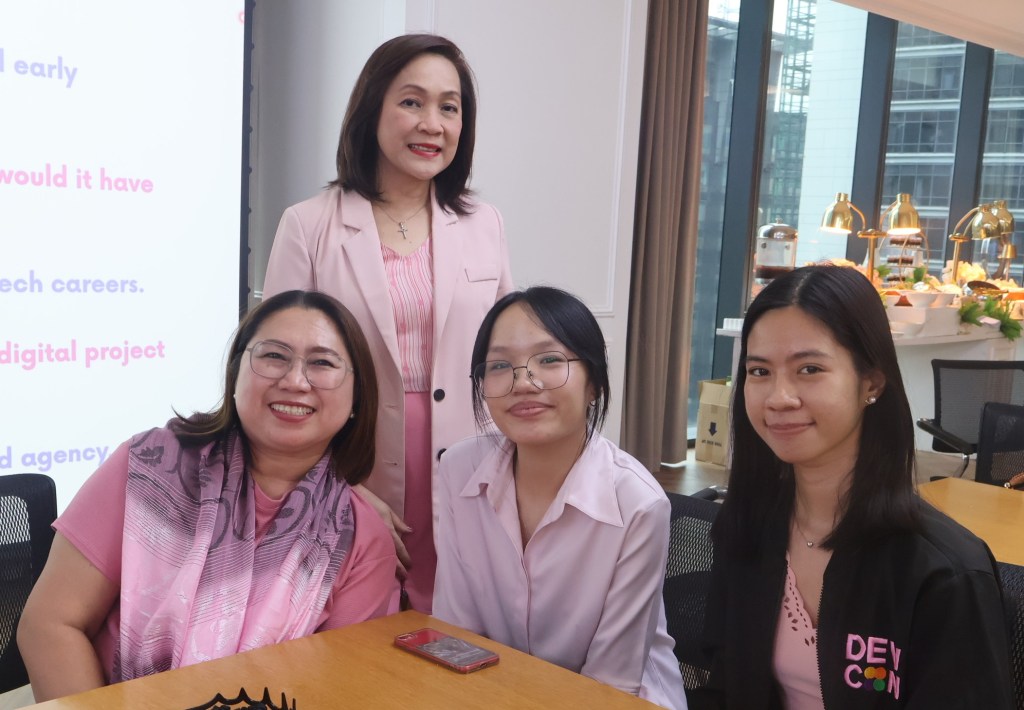
The three-day gathering brought together a cross-section of the country’s digital ecosystem—from policymakers and lawyers to app developers, civil society leaders, academics, and private tech companies. The shared goal: to make safety non-negotiable in digital transformation.
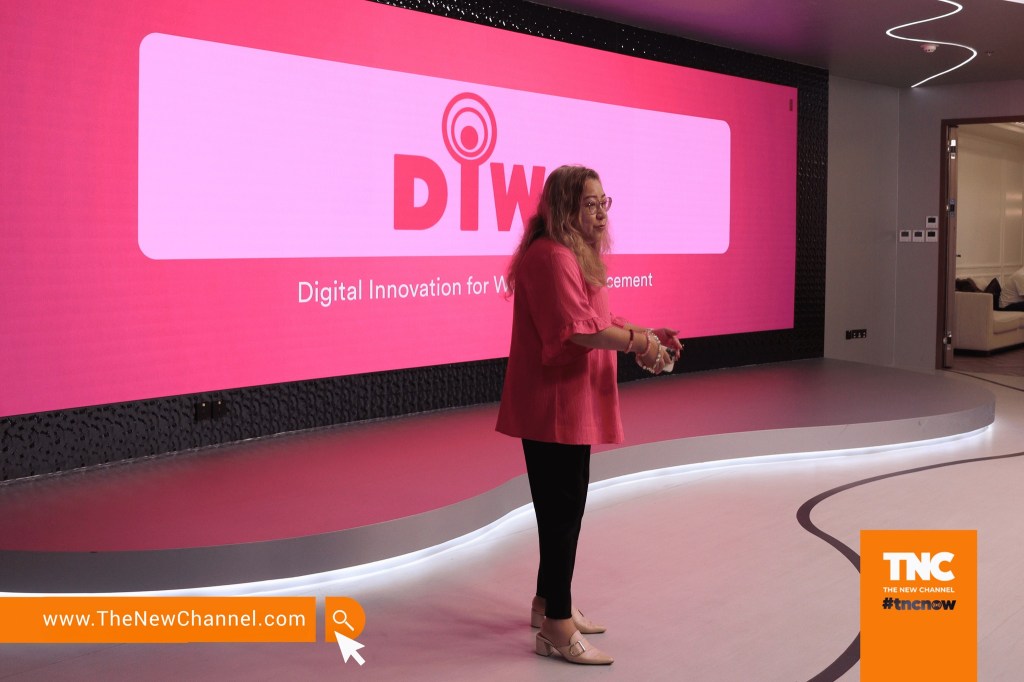
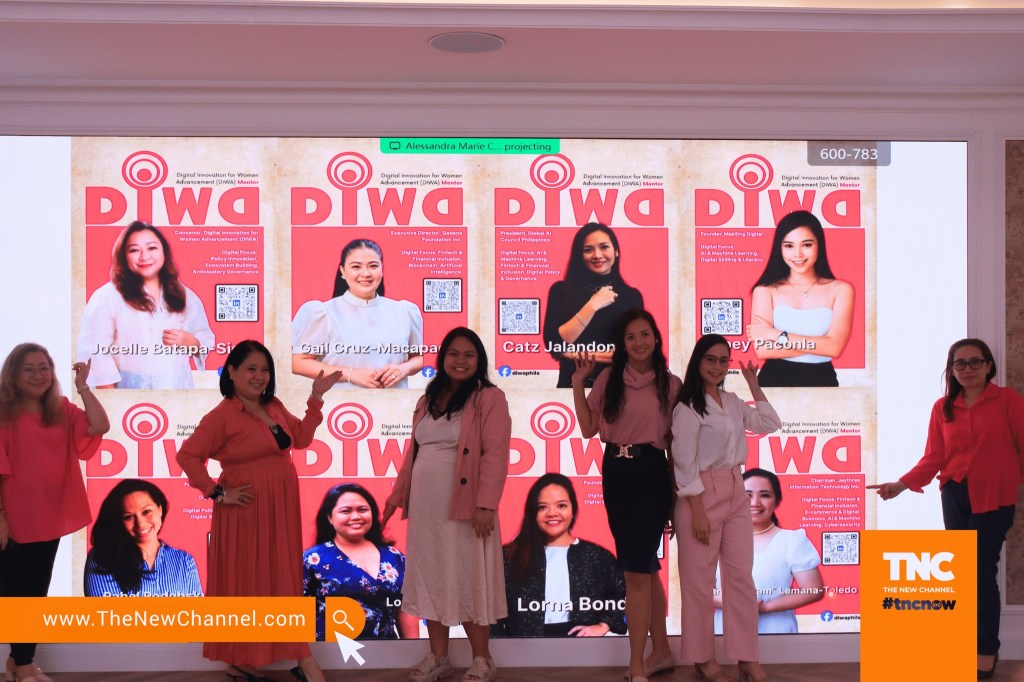
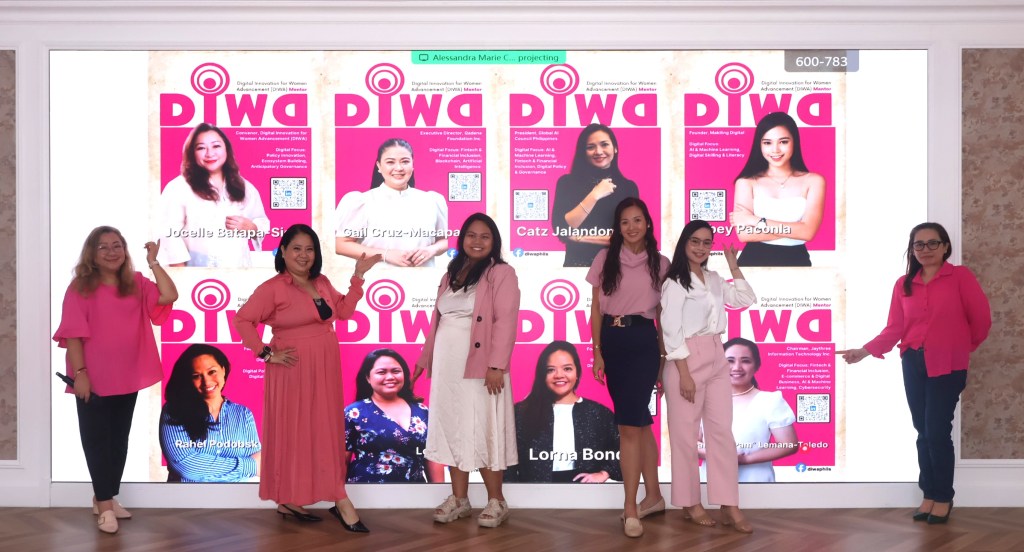
Supported by the Philippine ICT Innovation Network (PIIN) and the Digital Innovation for Women Advancement (DIWA), and organized by Development Gateway, the event convened key stakeholders from across government, civil society, academia, and the technology sector.
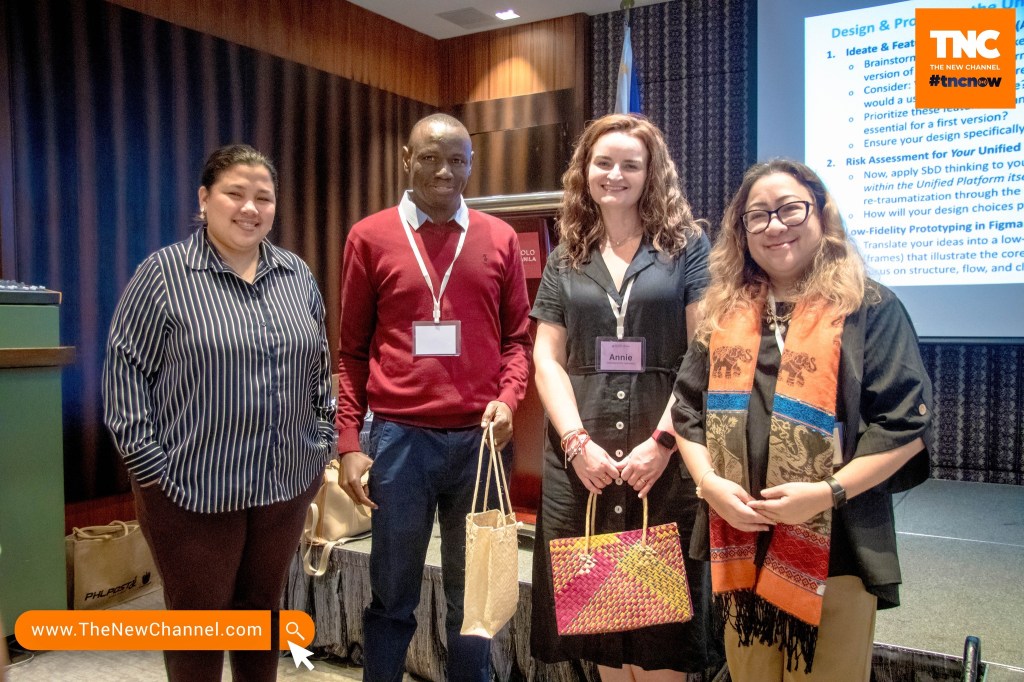
The technical workshop served as a gathering of visionaries, innovators, policymakers, and young technology advocates determined to reimagine the digital landscape as safer, more inclusive, and fundamentally anchored on human dignity.
“Innovation is only meaningful when it is safe, inclusive, and empowering,” said Atty. Jocelle Batapa-Sigue, founder of DIWA and PIIN, who moderated the sessions. “Just as we design for efficiency and user experience, we must design for protection—especially for women, children, and vulnerable groups who are most at risk online.”
The Seven Core Principles of Safety-by-Design
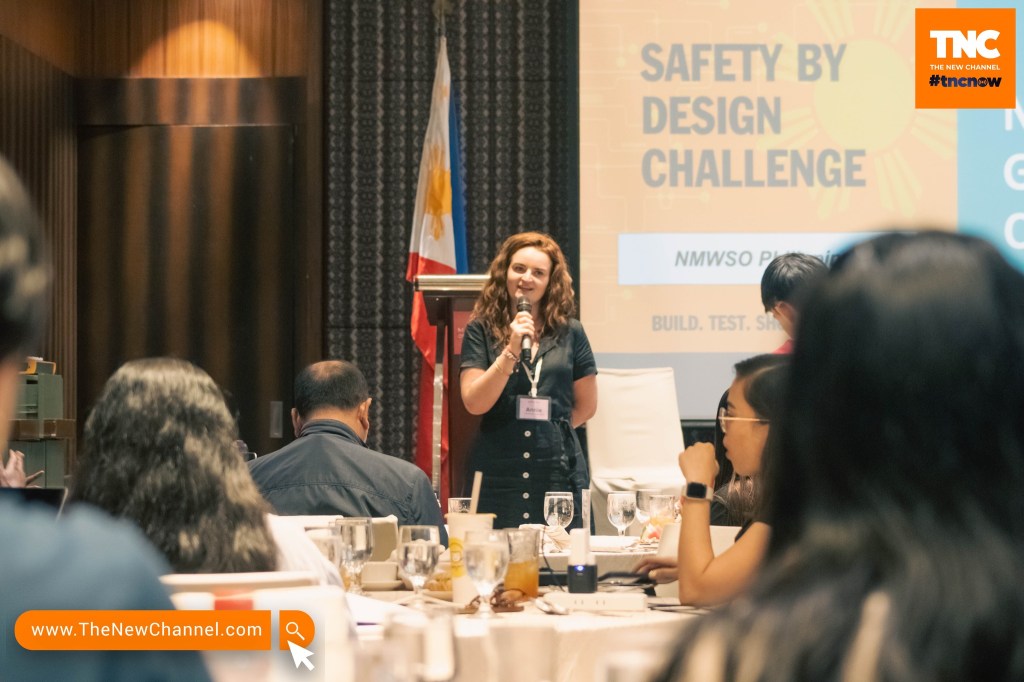
Annie Kilroy, an expert in digital transformation and ethical innovation from Development Gateway, highlighted in her lecture the seven core principles of Safety by Design (SbD), framing them not as lofty ideals but as concrete guideposts for innovators in the Philippines. She underscored the importance of Proactive Harm Prevention, urging designers to anticipate risks before they escalate, while stressing Service Provider Responsibility, which places the duty of safeguarding users squarely on digital platforms. Equally vital is User Empowerment, giving people meaningful control over their digital lives, and Transparency and Accountability, which build trust through openness and measurable responsibility. Kilroy also emphasized Lifecycle Integration, embedding safety considerations from the earliest idea to final deployment, and the Synergy with Privacy and Security, ensuring that protective measures work together rather than in conflict. Finally, she called for Inclusivity, designing systems with diversity, fairness, and accessibility at their core—principles meant to guide innovators toward responsible and human-centered digital transformation.
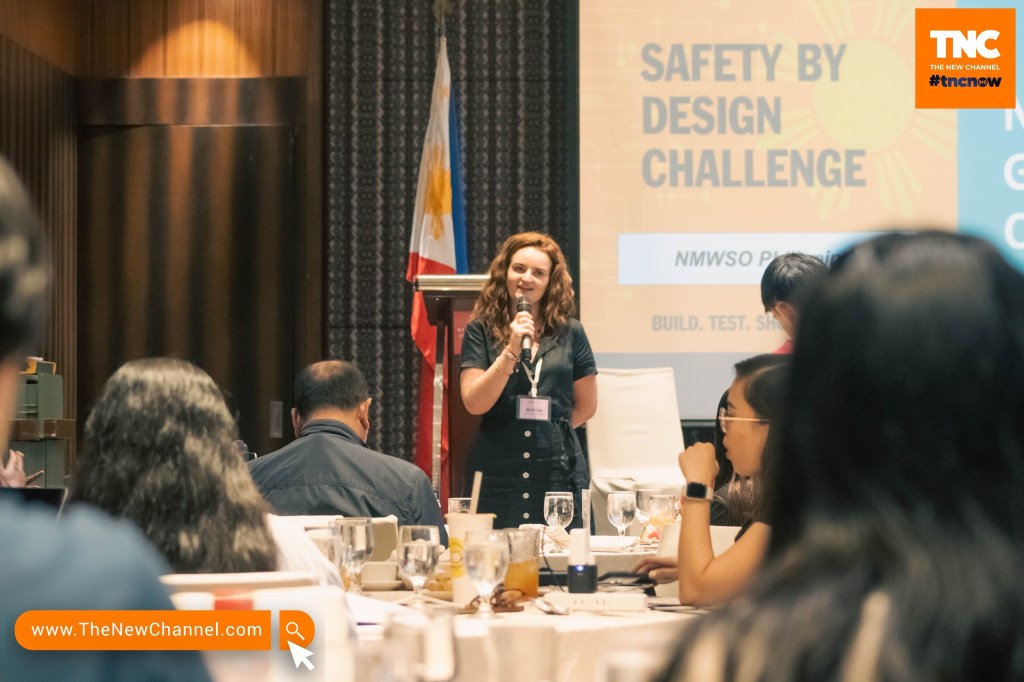
“These principles,” Kilroy told participants, “are the backbone of a movement that requires responsibility, foresight, and inclusivity.”
Safety as a Continuous Process
As the main convenor for SbD in the Philippines, Christine Sumog-oy reminded participants that SbD is not a checklist or one-time requirement—it is a continuous process woven into the entire product development lifecycle.
From ideation to design, development, testing, deployment, and updates, safety must be present at every stage. This requires clear accountability: specific individuals or teams must be identified as SbD champions to ensure principles are upheld amid the rush of innovation.
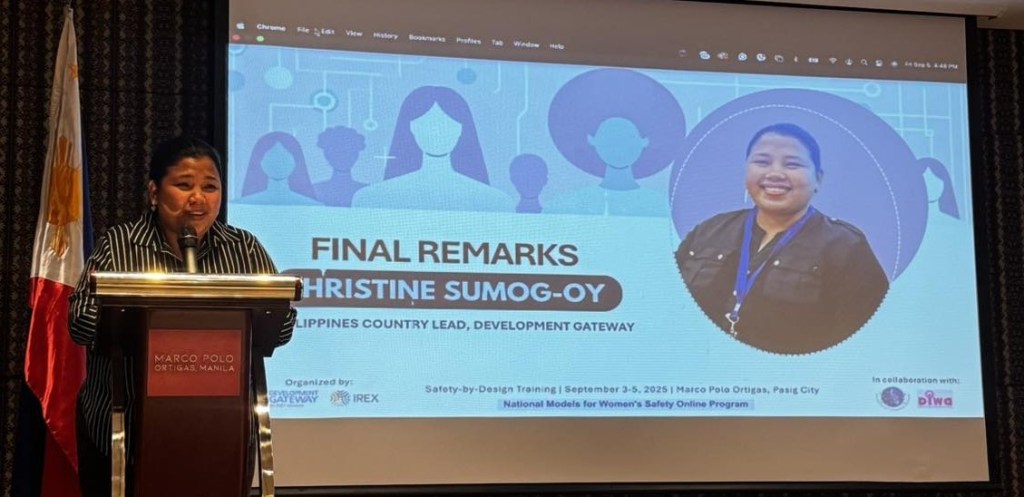
Christine stressed that accountability must be paired with organizational culture change. Decisions in product design, engineering, policy, legal, trust, and safety functions should all be guided by the same commitment to protection and inclusivity.
Her message resonated: SbD is not an add-on—it is a living commitment that grows alongside the technology itself. For women and vulnerable communities in the Philippines, she argued, safety cannot be an afterthought—it must be designed in from the very beginning.
Privacy, Security, and Learning from Incidents
During the workshop, Gerald Mutuhu, a technology strategist from Kenya known for scalable, user‑centric solutions, stressed that safety cannot be separated from privacy and security. He described them as the twin anchors of trust: security safeguards against unauthorized access and breaches, while privacy protects users’ rights through data minimization, meaningful control, and responsible information use. When aligned, he argued, privacy and security form the foundation of Safety‑by‑Design, ensuring that users are not only protected but also empowered.
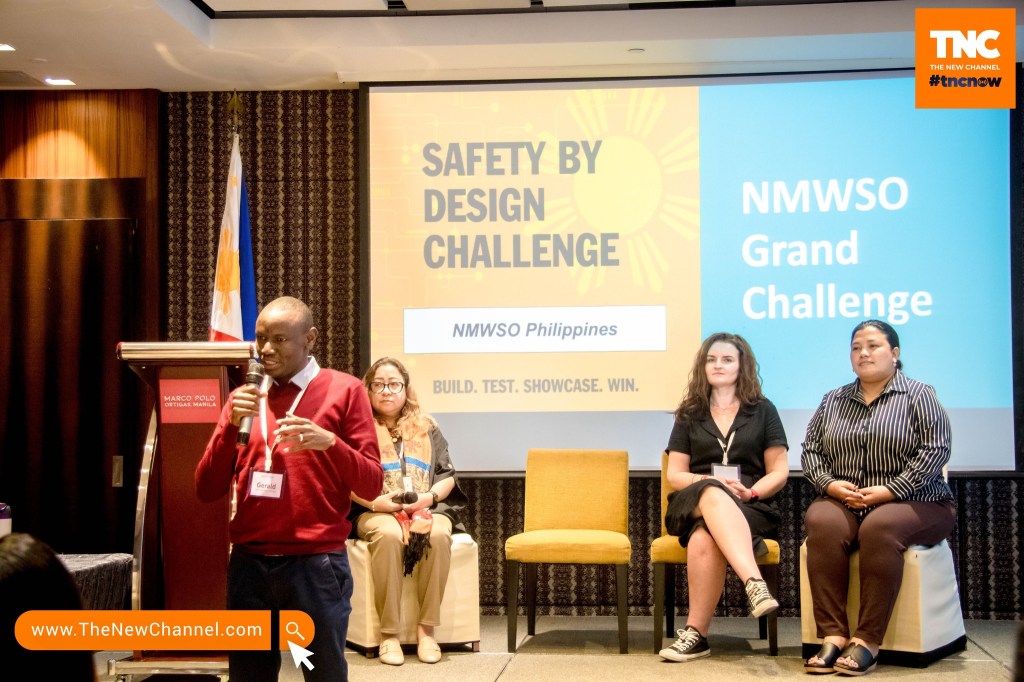
But Gerald reminded the audience that no system is flawless. Even with strong protections, incidents will happen. What matters, he said, is how organizations respond and learn from them. He walked participants through the value of structured Safety Incident Reviews, which go beyond identifying what happened to asking deeper questions:
- Why did controls fail?
- What were the root causes?
- How could harm have been prevented?
- What systemic changes are needed to stop it from recurring?
By treating incidents as opportunities for improvement rather than isolated failures, platforms can evolve and mature.
He then connected these ideas to the Product Development Lifecycle (PDLC). At every stage—from ideation and design through development, testing, deployment, and iteration—Gerald urged innovators to weave in safety considerations. He illustrated how risks can be mapped and designed out from the start, how mitigations can be proportionate and tested, and how products must be configured and updated to continuously reduce risks. Importantly, he emphasized the value of running pre‑launch “abusability tests”—exercises that simulate potential misuse before a product reaches users.
Gerald’s message was clear: safety is not a parallel track, but an integrated discipline. It requires the alignment of privacy and security, continuous learning from incidents, and accountability across every stage of the product lifecycle. In his words:
“Safety by Design means weaving protection into every step of innovation—from the spark of an idea, to deployment, and back again through lessons learned.”
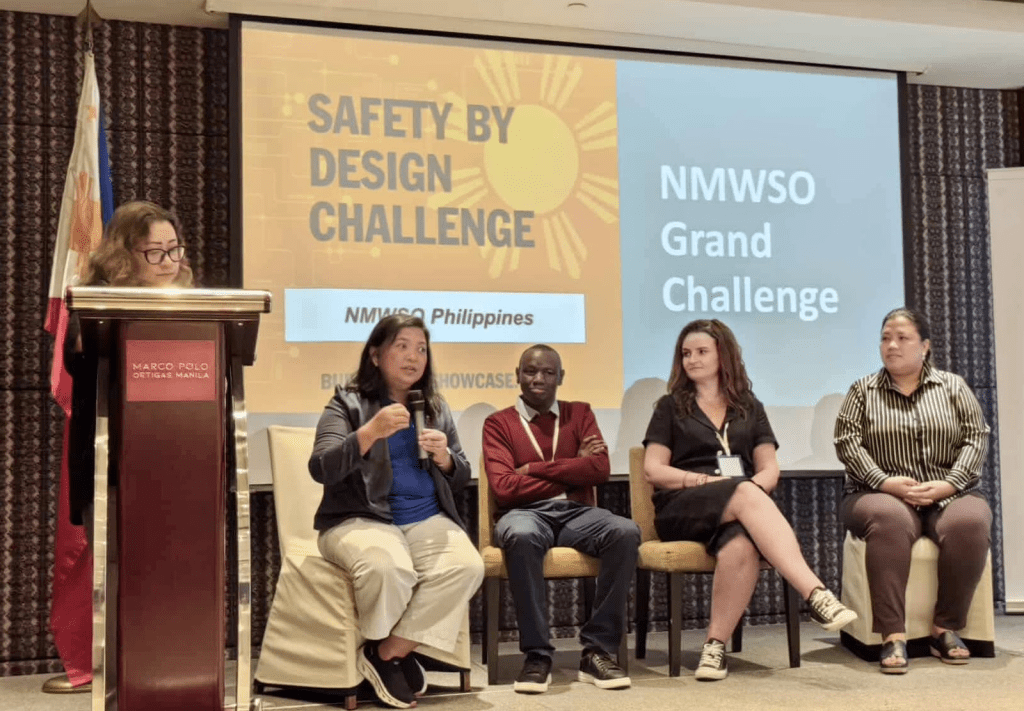
Prototypes Signal Business Case for Safer Platforms
The culmination of the Safety-by-Design (SbD) Workshop showcased how innovators in the Philippines are beginning to translate safety principles into practical, market‑ready solutions.
A report delivered by Sheila Estabillo of Plan International Pilipinas mapped the current landscape of online platforms in the country. Her findings revealed fragmented reporting mechanisms, inconsistent accountability structures, and limited user protections—gaps that not only endanger users but also create regulatory and reputational risks for technology companies operating in the market.
This presentation set the stage for a collaborative prototyping exercise. Policy innovators, developers, and digital advocates were grouped into cross‑functional teams tasked with building wireframes for a unified reporting platform. Developers worked on coding functional mock‑ups, advocates tested accessibility and usability features, while policy leaders focused on ensuring compliance with emerging regulatory standards.
The exercise was less a classroom task and more a live demonstration of how safety considerations can be engineered into competitive, scalable platforms.
These prototypes were then subjected to a regulator review simulation—a pressure test designed to mimic the scrutiny of both regulators and markets. Teams faced pointed questions about compliance gaps, long‑term viability, and alignment with SbD’s seven core principles. While the process exposed blind spots, it also validated designs that treated safety as central to product development rather than an afterthought.
For business leaders observing the session, the message was clear: SbD is not simply about ethics—it is about market trust, risk management, and future‑proofing digital products.
NMWSO Grand Challenge
The program closed with the announcement of the NMWSO Grand Challenge—an open call for innovators across the Philippines to submit working solutions that embed SbD into real‑world systems. Winning prototypes are expected to become national models and, potentially, new industry benchmarks.
Organizers framed the challenge not only as a call to social responsibility but also as a growth opportunity, urging innovators to recognize that safety can be a competitive advantage in the country’s fast‑growing digital economy.
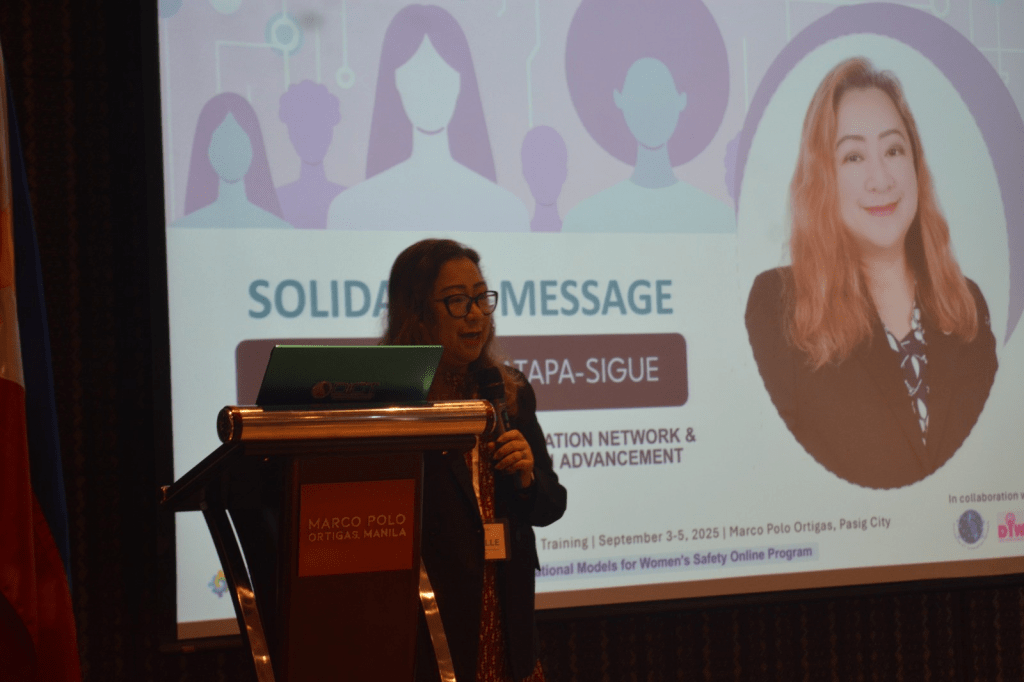
FULL TEXT:
Welcome Address by Atty. Jocelle Batapa-Sigue
Safety-by-Design Workshop | September 3, 2025 | Marco Polo Ortigas, Metro Manila
Magandang umaga po sa ating lahat.
On behalf of the Digital Innovation for Women Advancement (DIWA) and the Philippine ICT Innovation Network (PIIN), I warmly welcome each one of you to this important Safety-by-Design Workshop and the launching of the National Models for Women’s Safety Online (NMWSO).
We are gathered here because we all believe in one powerful truth: innovation is only meaningful when it is safe, inclusive, and empowering.
The Role of DIWA and PIIN
Allow me first to share the vision of the organizations I represent. DIWA was founded on the principle that women must not only participate in the digital economy but also shape it. Our mission is to empower women innovators, leaders, and entrepreneurs by providing opportunities, mentorship, and platforms to co‑create solutions. We know that when women are safe online, they can lead, influence, and build digital futures that benefit everyone.
Meanwhile, PIIN envisions a strong and sustainable digital innovation ecosystem in the Philippines—one where startups, MSMEs, researchers, government, and communities collaborate to harness technology for inclusive development. Our goal is to ensure that innovation does not remain concentrated in urban centers but reaches the countryside, where digital opportunities can transform lives.
Together, DIWA and PIIN are committed to advancing countryside innovation, startup growth, digital job generation, and ethical technology use—always anchored on inclusivity and empowerment.
Lifelong Learning for a Knowledge Society
How do we sustain innovation in a world that is constantly changing? The answer lies in lifelong learning.
The World Economic Forum’s Future of Jobs Report 2025 identifies the most in‑demand skills between 2025 and 2030, grouped into three clusters:
- Interpersonal skills: resilience, empathy, leadership, and lifelong learning itself.
- Cognitive skills: analytical thinking, creative problem‑solving, and systems thinking.
- Technological skills: AI and data literacy, programming, cybersecurity, and digital design.
These are not simply “work skills”—they are survival skills in the digital age. To build a knowledge society, each of us must remain learners. As innovators, we cannot assume we know everything. I stand here not only as a representative of my organizations or as an advocate, but also as a student—excited to learn with all of you.
Design Thinking and Embedding Safety
Now, how do we apply these skills to the urgent issue of online safety?
The concept of Safety‑by‑Design aligns perfectly with design thinking. Design thinking begins with empathy—understanding the real needs of users. It drives us to define problems clearly, ideate boldly, prototype quickly, and test iteratively.
Embedding safety is never about adding security features at the end. It is about designing systems from the very beginning with safety, dignity, and trust at the core. Just as we design for efficiency and user experience, we must design for protection—especially for women, children, and vulnerable groups most at risk online.
Safety-by-Design challenges us to ask:
- How will this technology affect its users?
- Who might be excluded or harmed?
- How do we prevent abuse before it happens?
These are not just technical questions—they are ethical and societal questions. Answering them requires collaboration across government, civil society, industry, and communities—just as we are doing here today.
Building the Future Together
Friends, the Philippines is at a critical moment. Digital transformation is reshaping our economy, our jobs, and our daily lives. Reports show that by 2030, AI alone could add over US$1 trillion to Southeast Asia’s GDP—but only if we prepare our people with the right skills and protect them with the right safeguards.
This is why gatherings like this workshop matter. They remind us that digital progress without safety is fragile progress. They remind us that technology without trust is technology without power.
So, let us use these three days not only to deepen our understanding but also to co‑create solutions—solutions that will allow every Filipino to benefit from innovation while being protected from harm.
Your Role in the Safety‑by‑Design Movement
As we begin, I invite all of you to wear two hats: the hat of the innovator and the hat of the student. Innovators—because we must design bold, inclusive, and safe systems. Students—because we must remain open to learning, unlearning, and relearning in this fast‑changing digital era.
Together, through Safety‑by‑Design, lifelong learning, and inclusive innovation, we can build a future where the Philippines is not just a digital player, but a true knowledge society—one where every citizen has the skills, the confidence, and the safety to thrive.
Maraming salamat, and welcome to the workshop. Mabuhay!





































 Digital Innovation for Woman Advancement