A collaboration of women to harness the role of ICTs to advance gender equality and empower women to actively participate in building an inclusive and sustainable digital future.
The Philippines actively creates and develops strategic interventions and programs to ensure the increased participation of Filipino women in Information and Communications Technology (ICT) with the aim of building an inclusive and sustainable digital future for the nation.
Toward this end, a nationwide program called “Digital Innovation for Women Advancement (DIWA). DIWA, which is a Filipino word for “mind” or “spirit”. It is a direction pursuant to the Philippines’ commitment to the International Telecommunications Union (ITU) as a council member. DIWA complements the ITU’s goal to become a model organization for gender equality using ICT to empower women.
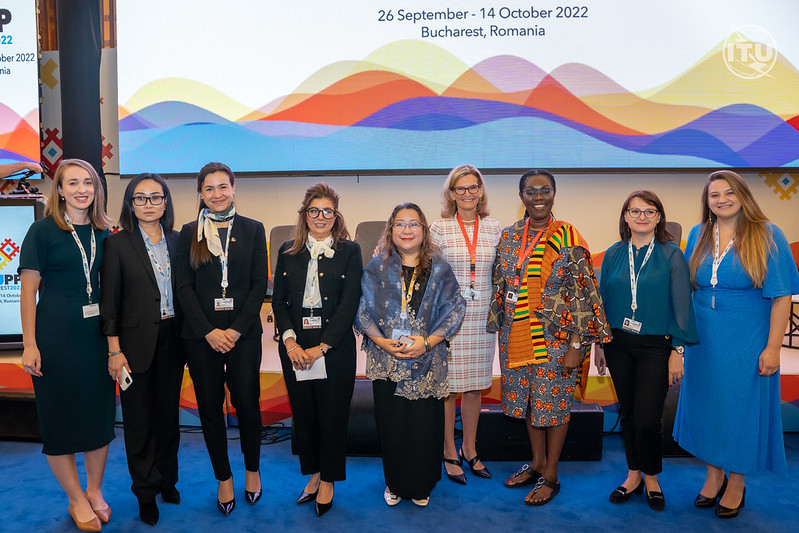
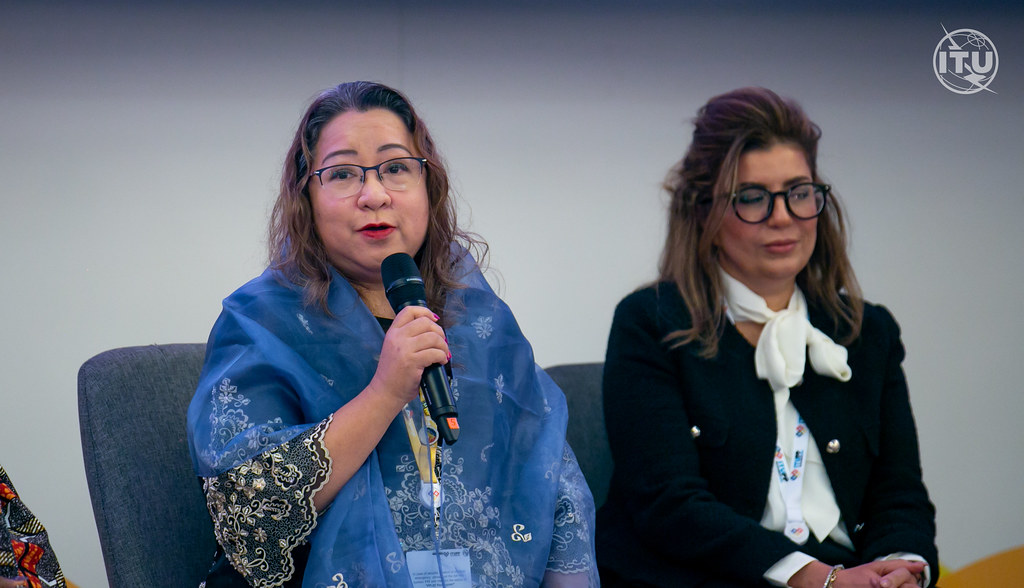
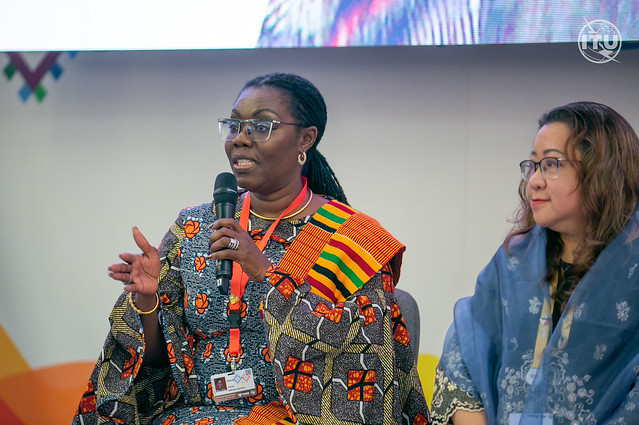
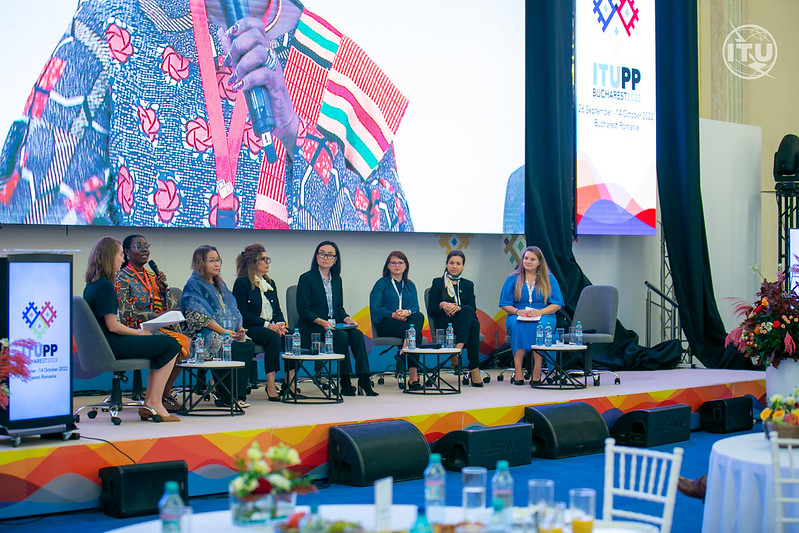
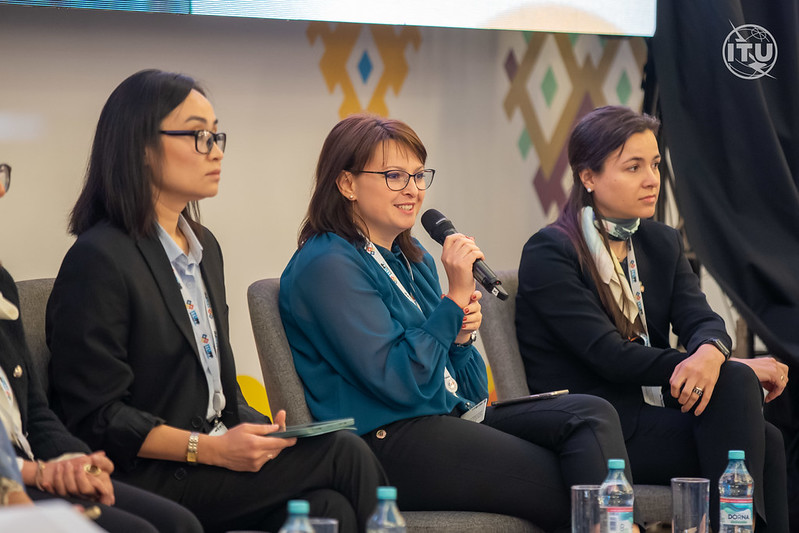
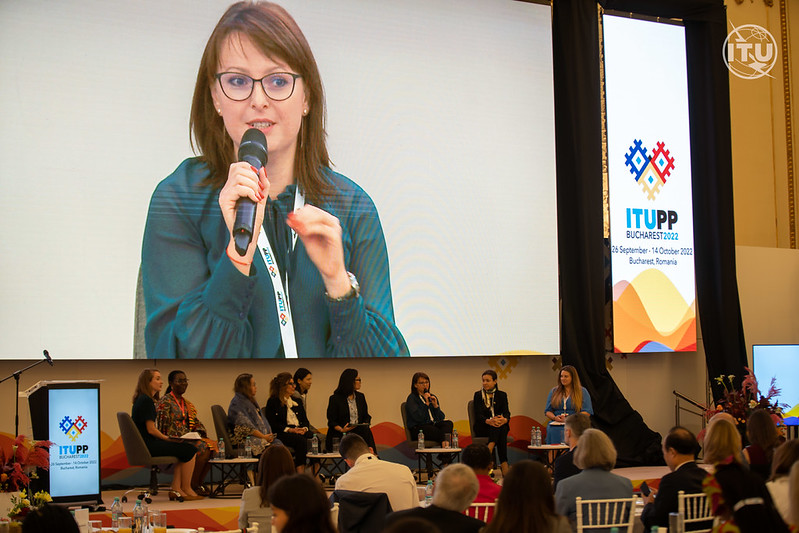
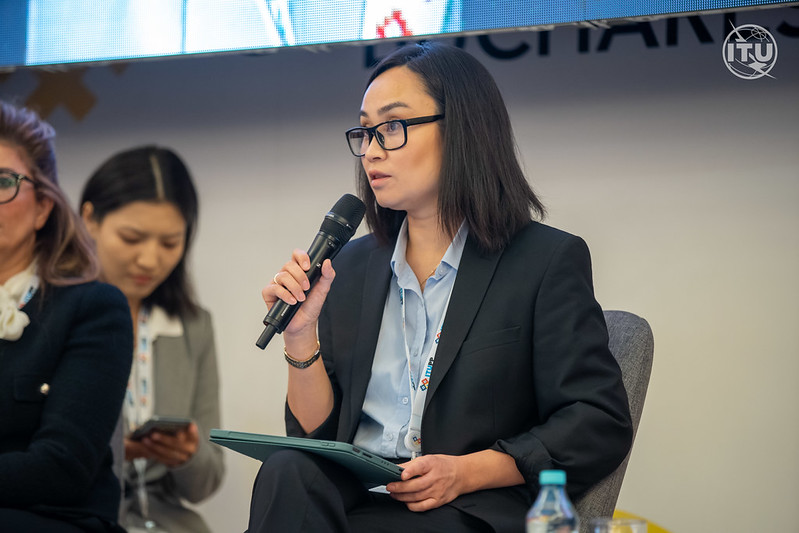
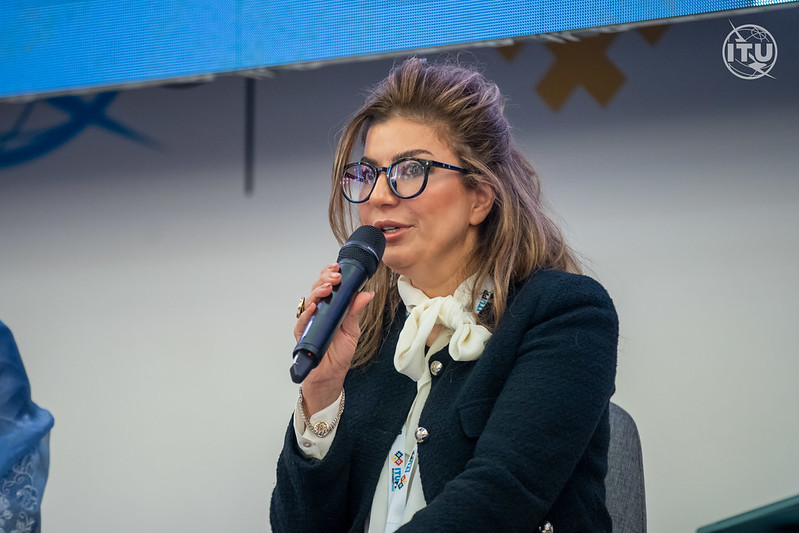
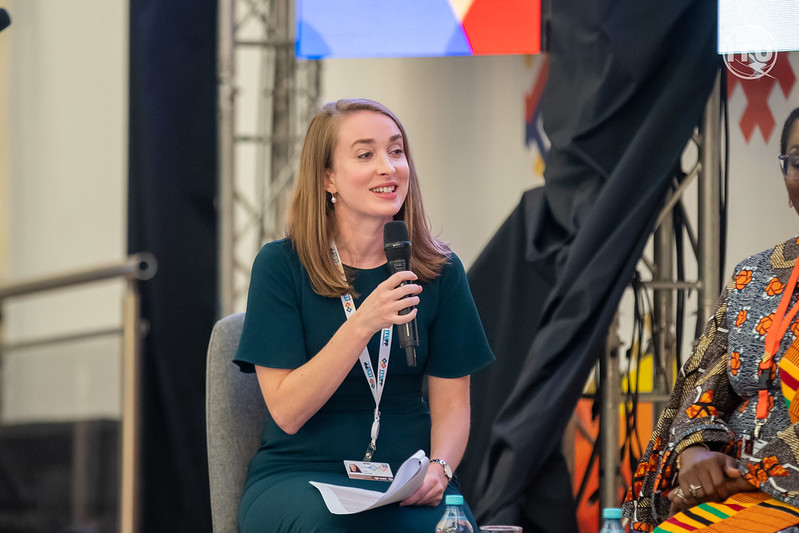
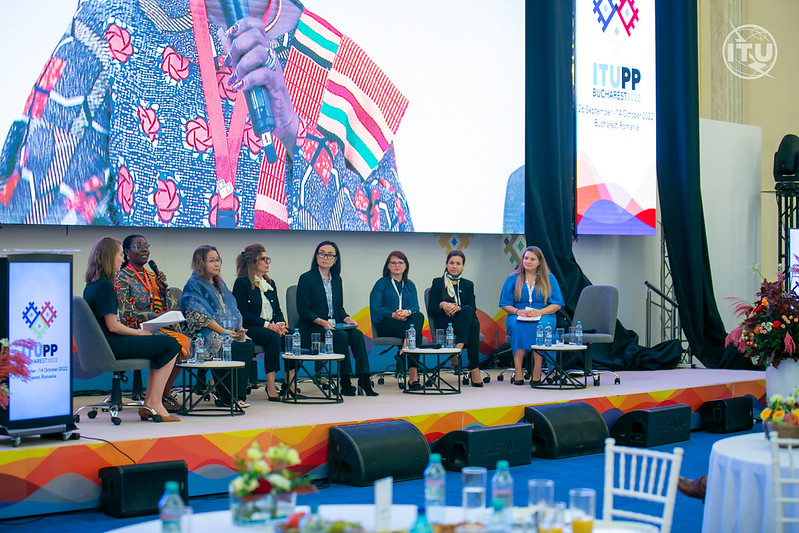
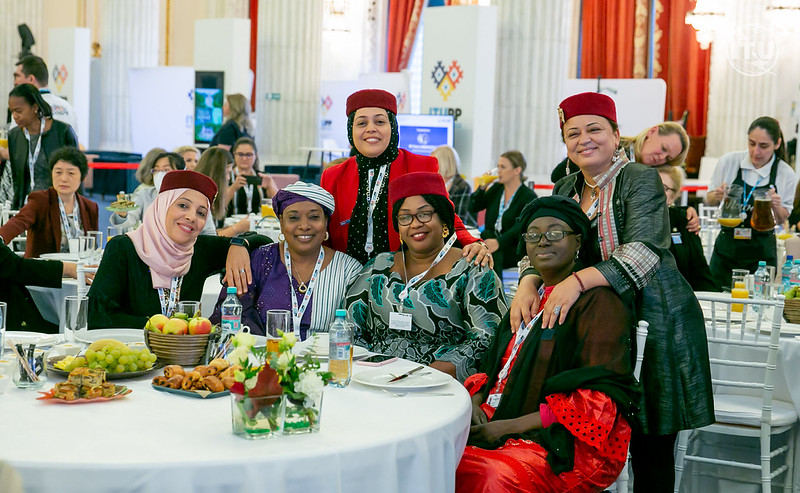
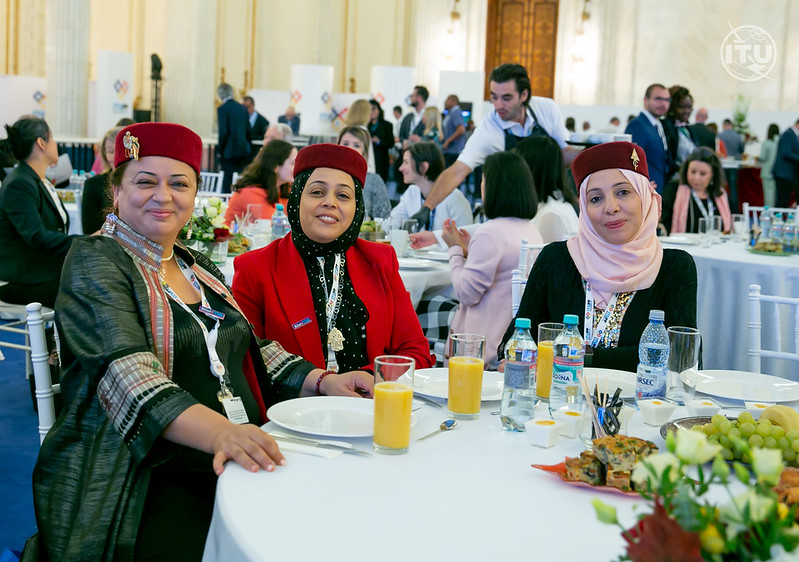
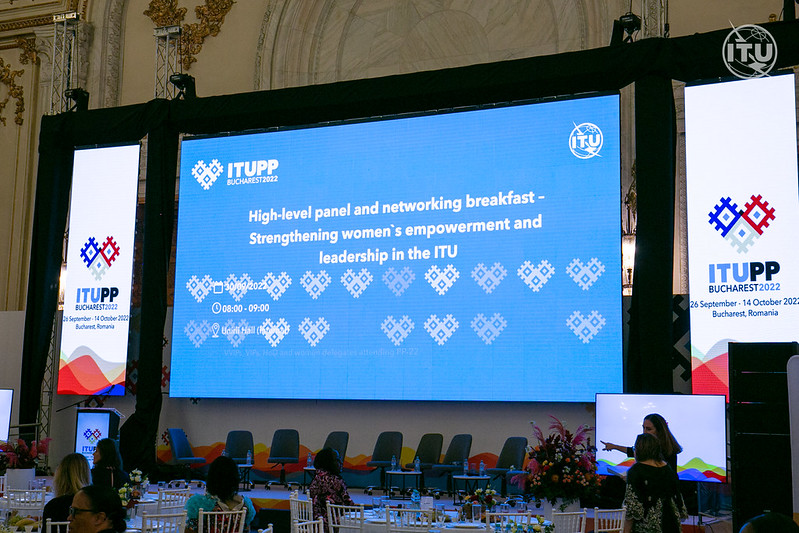
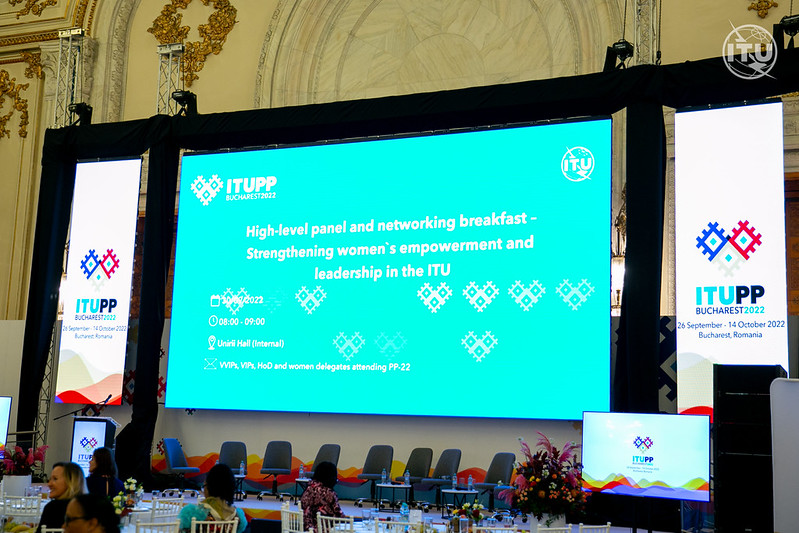
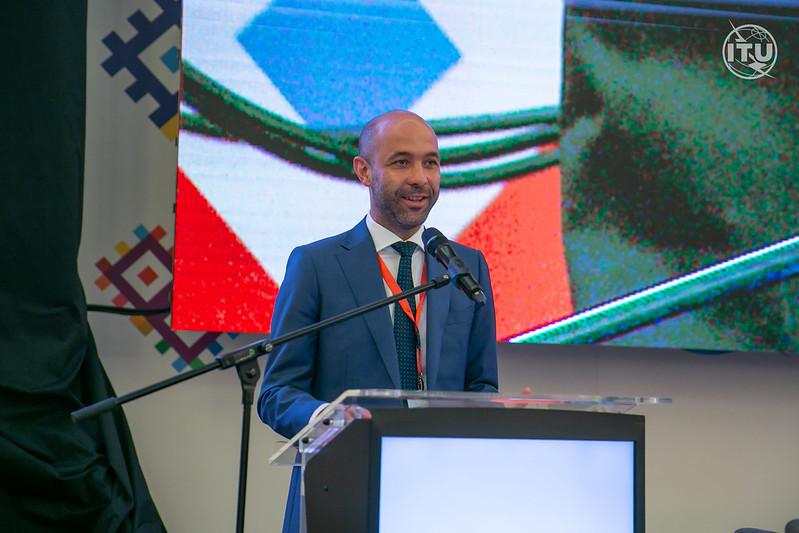
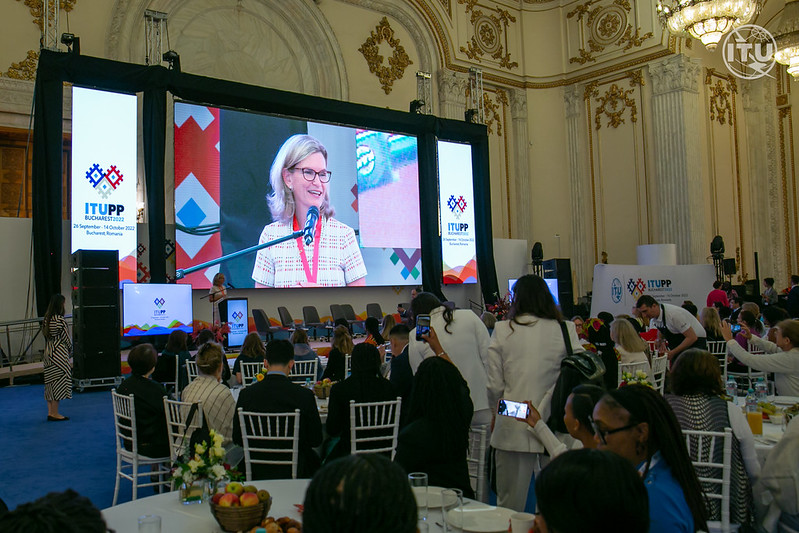
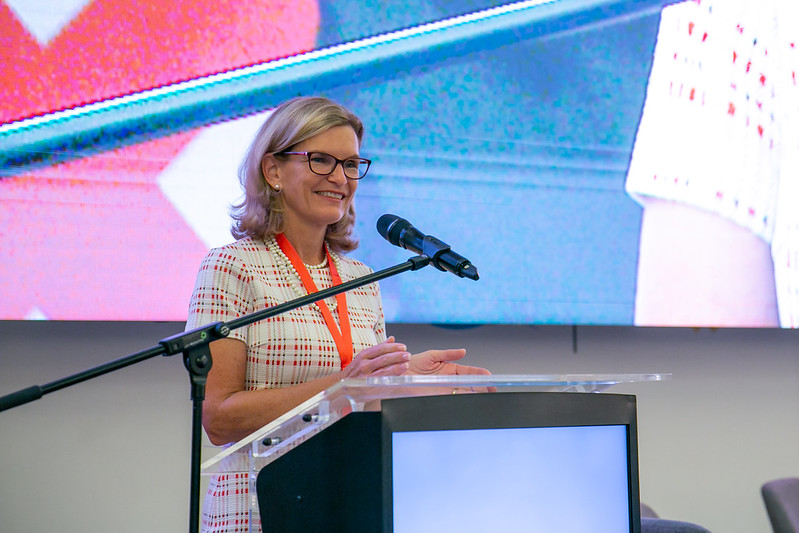
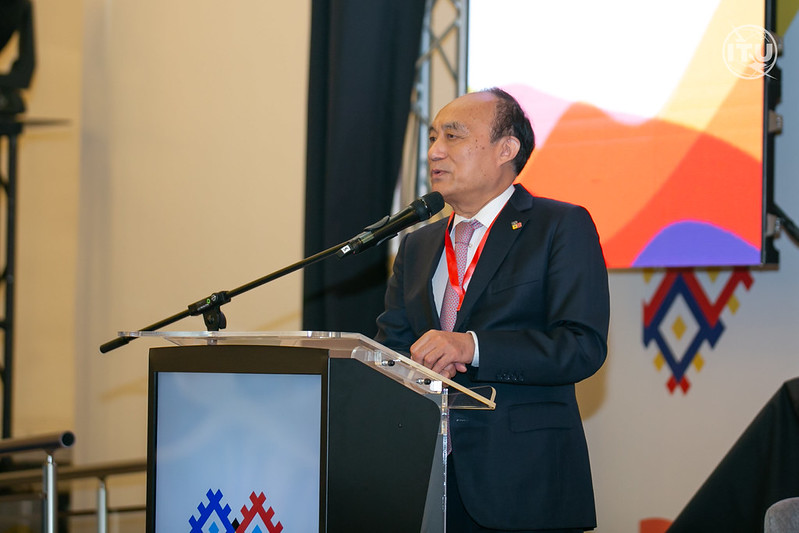
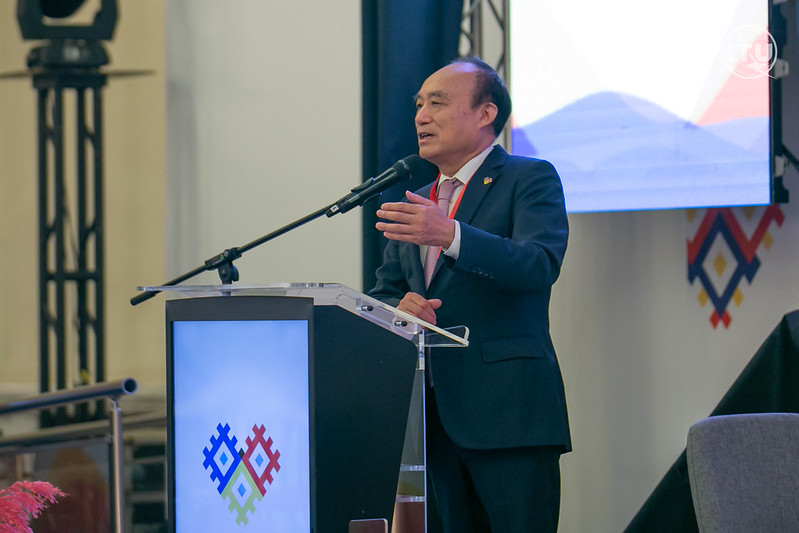
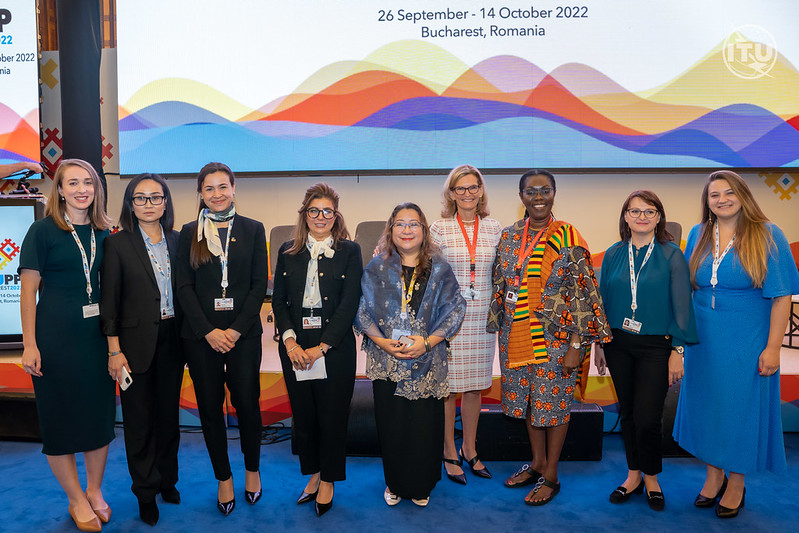
DIWA is inspired by the election of Doreen Bogdan Martin as the first woman secretary general of ITU since its founding in 1856. The project was proposed by former DICT Undersecretary Jocelle Batapa-Sigue as one of her key takeaways from the 2022 Plenipotentiary Conference of ITU at Bucharest, Romania.
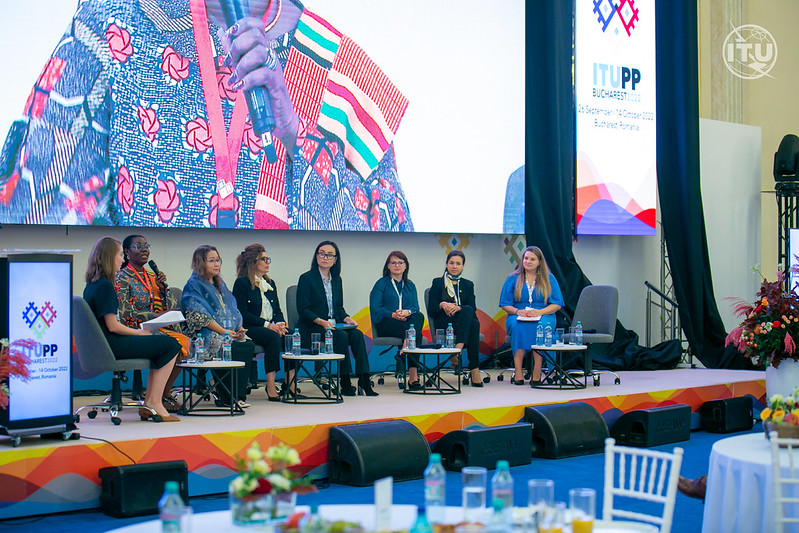
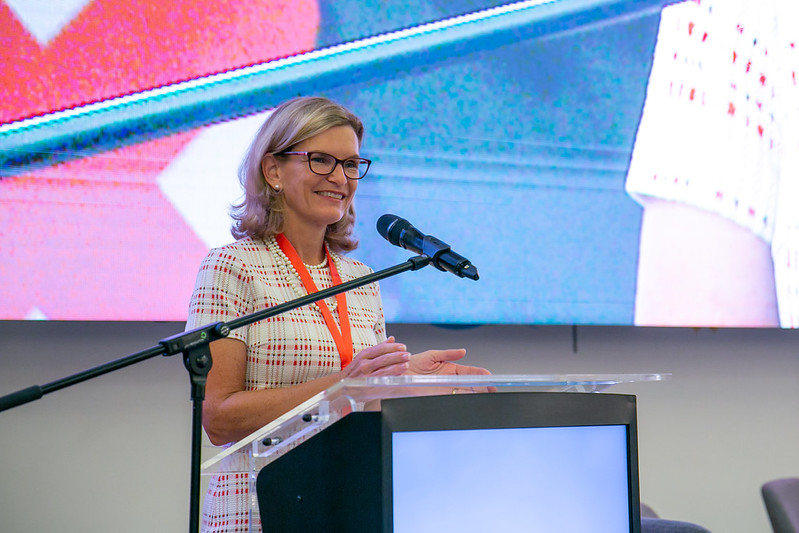

DIWA is anchored on global, regional, and multilateral commitments that advance gender equality and women’s digital empowerment, beginning with ITU Resolution 70, adopted at ITU PP‑22 in Bucharest, which calls for strengthened gender inclusivity in ICT. It aligns with Sustainable Development Goal 5, which mandates the mainstreaming of gender across all SDG targets, and is reinforced by the APEC Aotearoa Plan of Action for implementing the Putrajaya Vision 2040 toward strong, balanced, secure, sustainable, and inclusive growth. DIWA also draws from the APEC La Serena Roadmap for Women and Inclusive Growth, the ASEAN Digital Masterplan 2025, and the UNESCAP Women ICT Frontier Initiative (WIFI)—all of which collectively emphasize women’s leadership, participation, and capacity‑building in the digital economy. Together, these frameworks form the policy foundation for DIWA’s mission to champion gender‑inclusive digital development across the Philippines and the Asia‑Pacific region.
DIWA is grounded in the urgent need to address the widening digital skills gap, as the world faces a global shortage of digitally skilled workers while millions of new jobs requiring advanced digital competencies continue to emerge. Yet women remain significantly underrepresented: enrollment of women in ICT courses remains low, only 16% of ICT‑related courses in ASEAN are taken by women, and women comprise just 33% of STEM graduates. Across the region, women’s participation in STEM and ICT fields consistently trails behind men, contributing to lower labor force participation—57% for women compared to 82% for men—and a smaller share of the ICT workforce, where women make up only 37%. These gaps are compounded by the low digital competence of many college graduates and the reality that millions of female jobs globally are at high risk of displacement due to automation. Together, these challenges form the basis for DIWA’s mission: to accelerate women’s digital empowerment, strengthen their participation in the future workforce, and ensure that women are not left behind in the rapidly evolving digital economy.
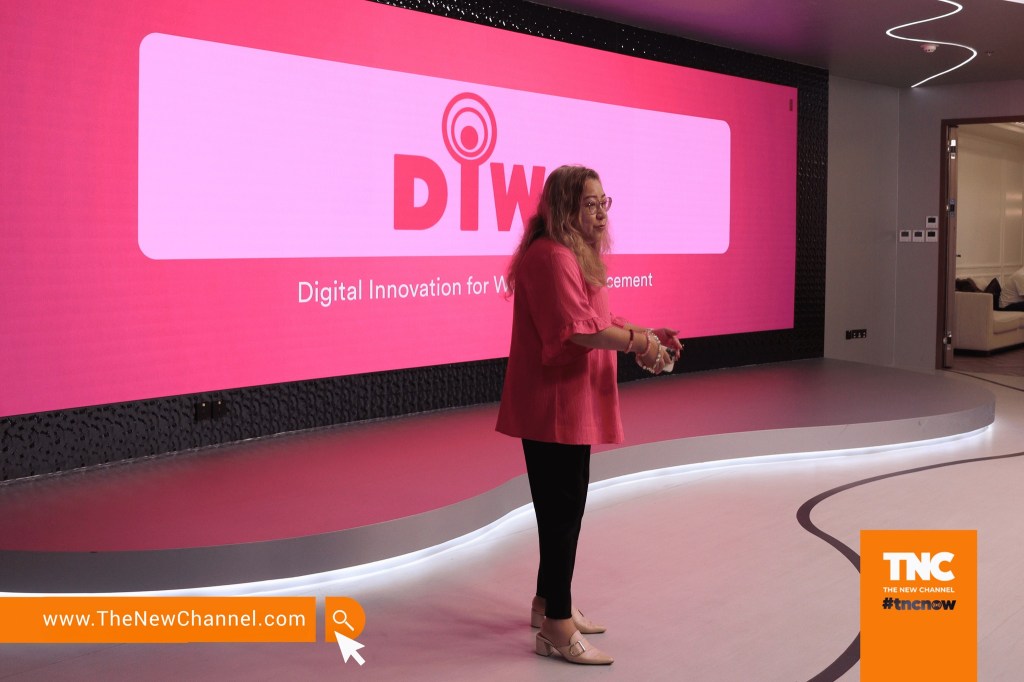
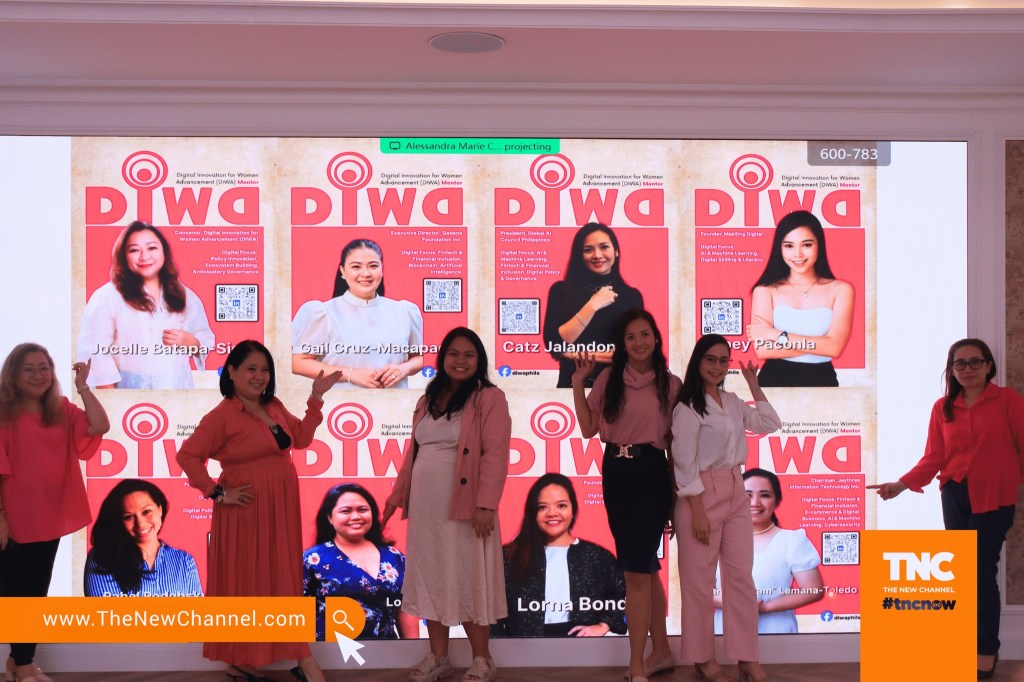
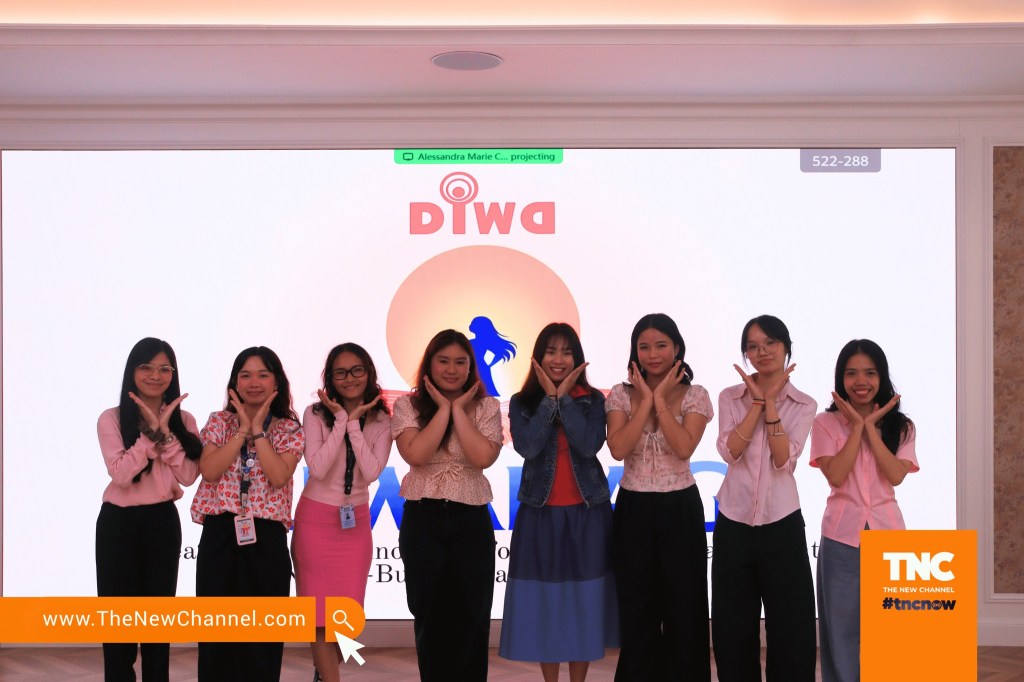
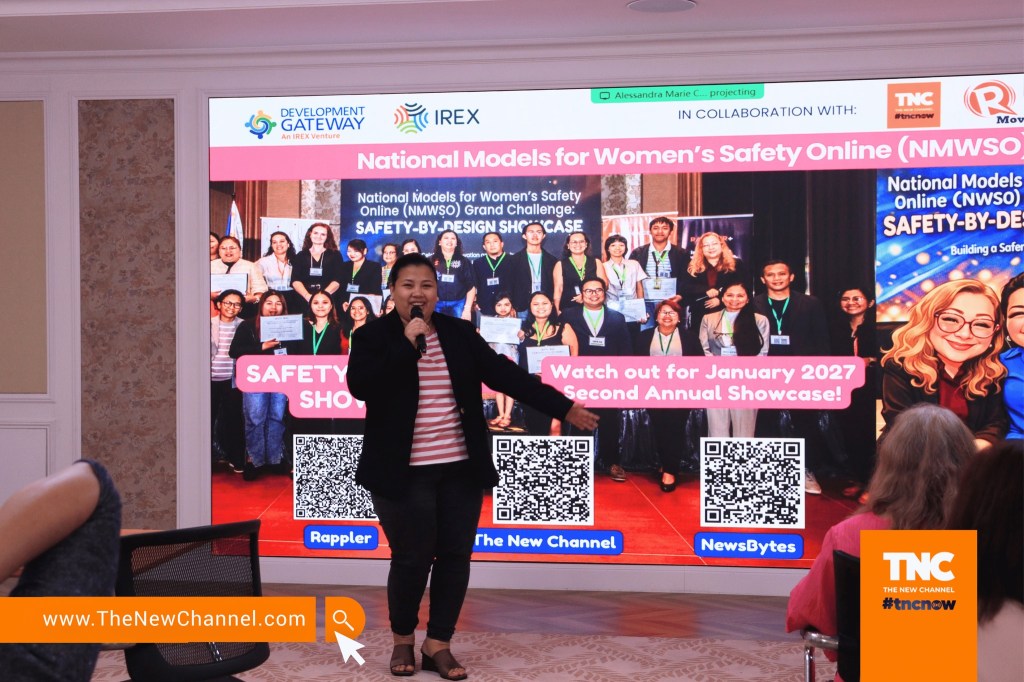
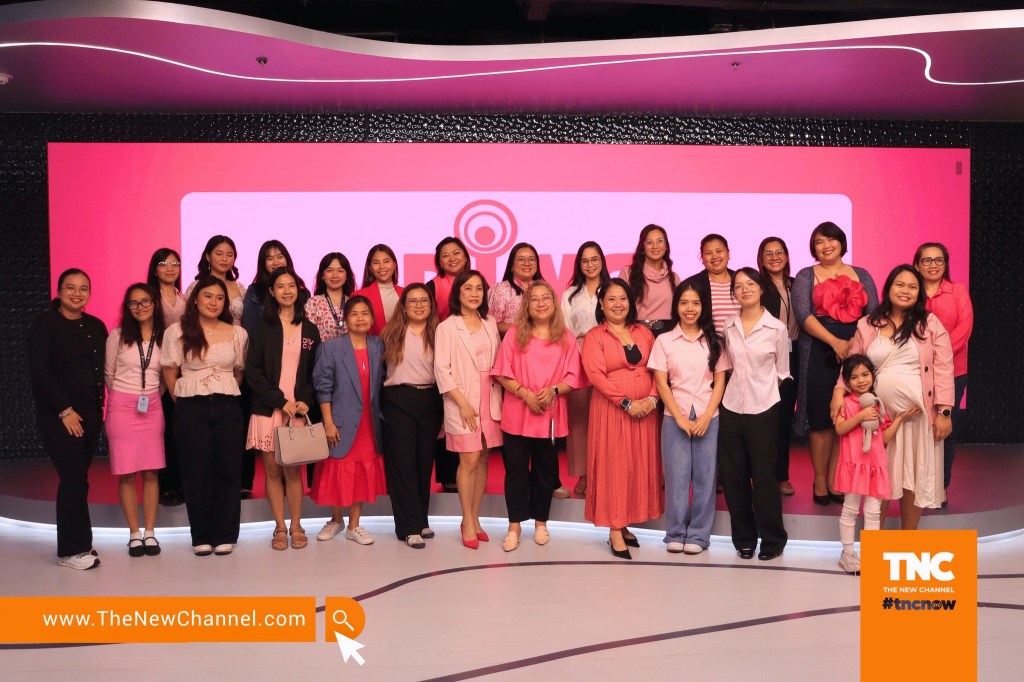
DIWA aims to accelerate the leveraging of ICTs to achieve gender equality in line with Sustainable Development Goal 5 of the 2030 Agenda for Sustainable Development. Its mission is to promote equal access to ICTs for women and men and ensure equal participation at all levels—from policy‑making and economic development to innovation and entrepreneurship. DIWA also seeks to expand the involvement and interest of women and girls in digital technologies, ICT education, ICT certifications, and digital skills training, recognizing that these pathways are essential for meaningful participation in the digital economy. At its core, DIWA champions ICTs as powerful tools through which gender equality and the empowerment of women and girls can be advanced, embedded, and recognized as integral to inclusive, resilient, and future‑ready societies.
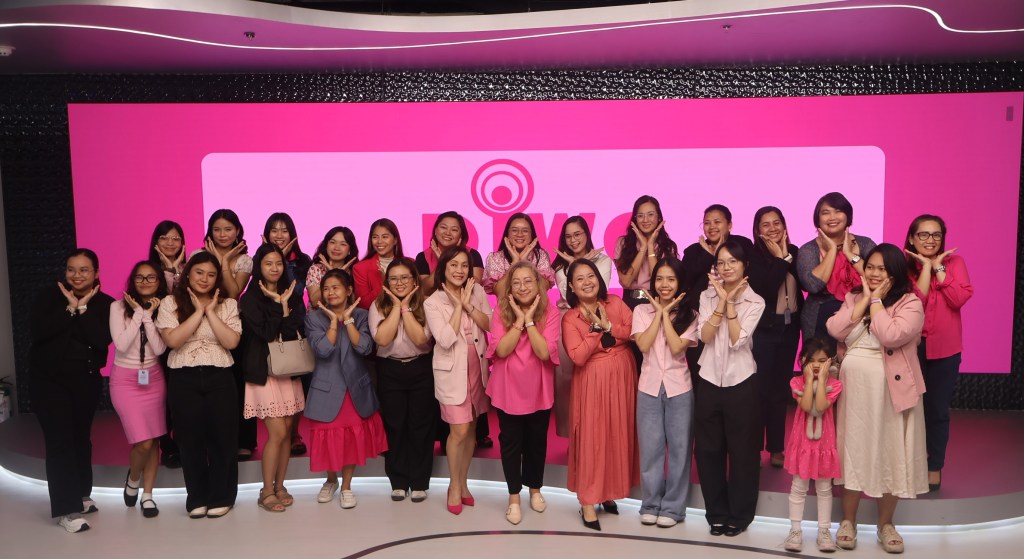
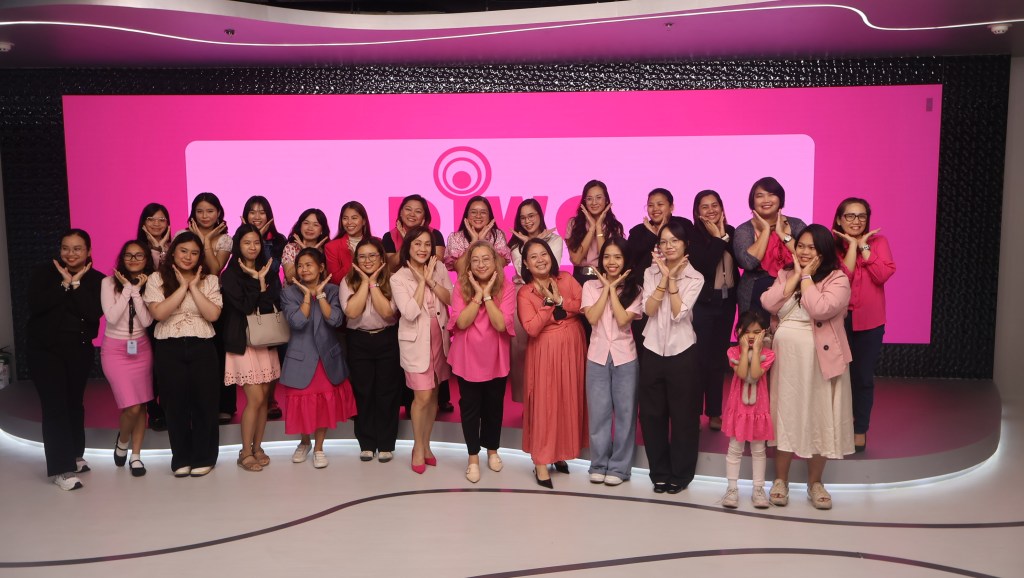
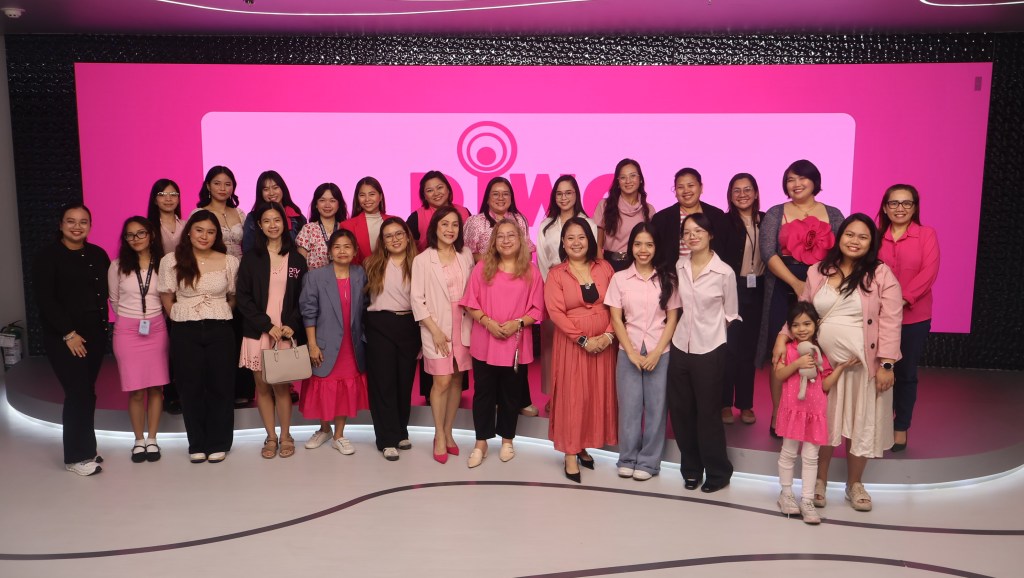
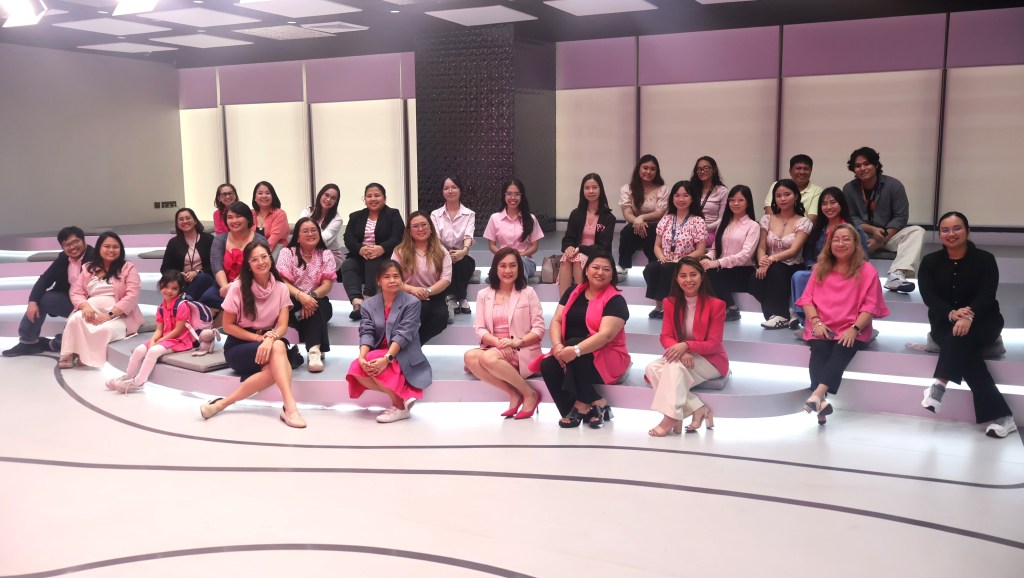


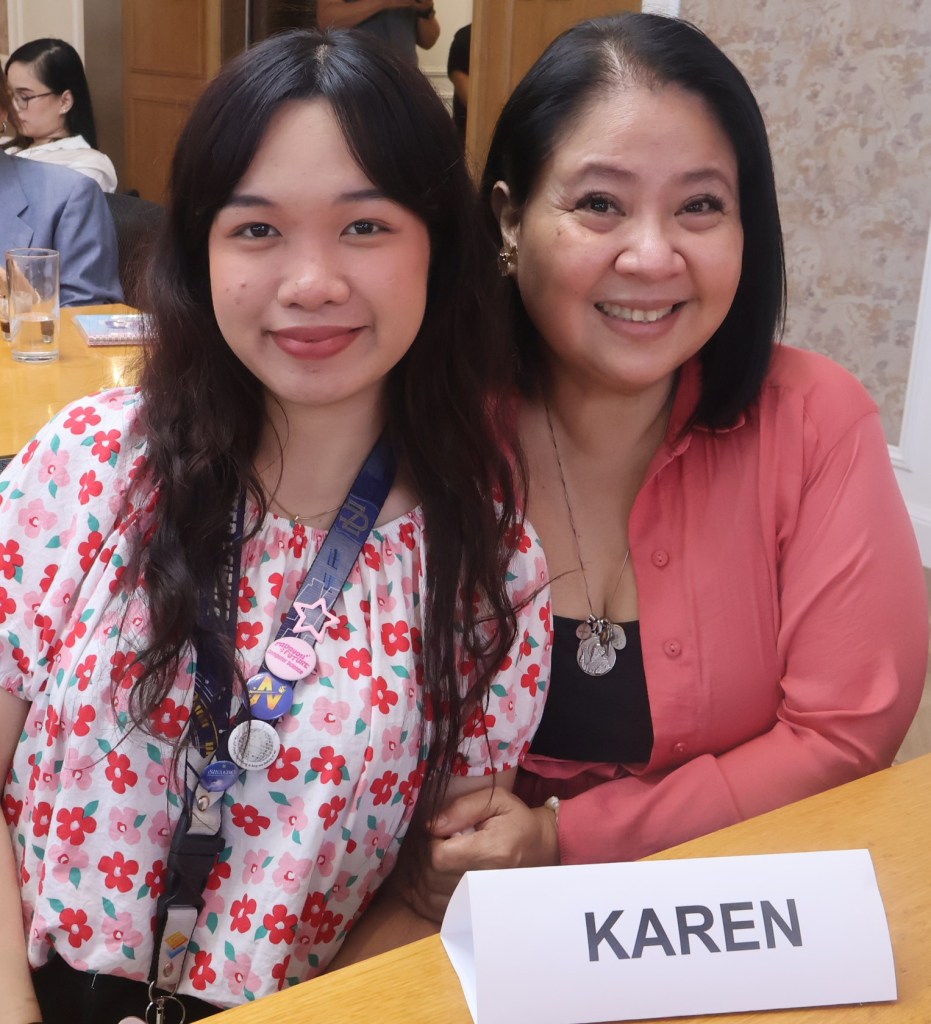
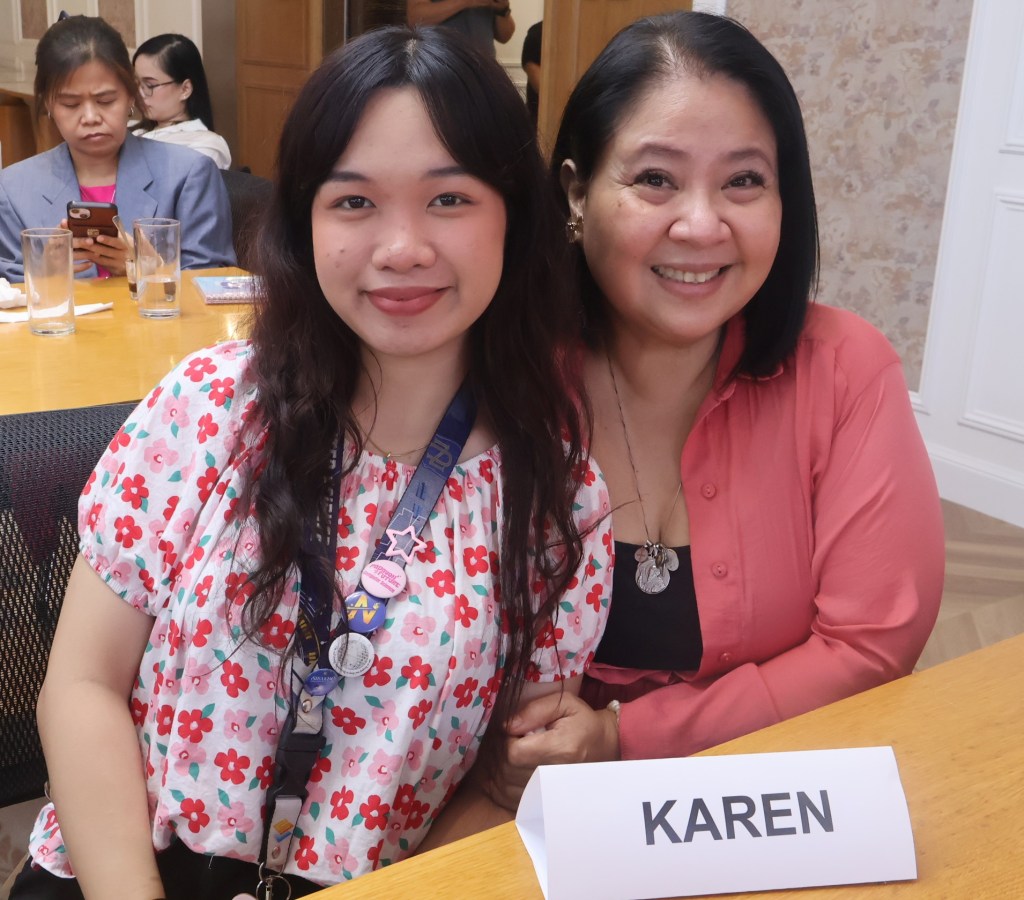
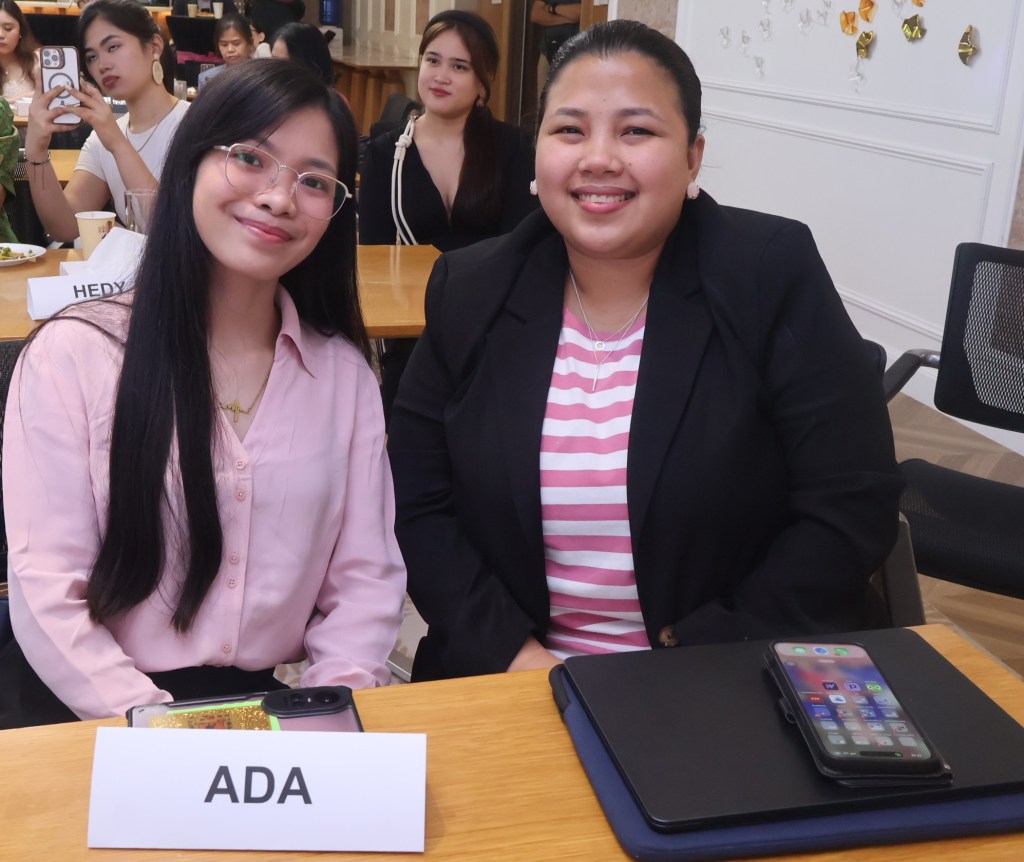



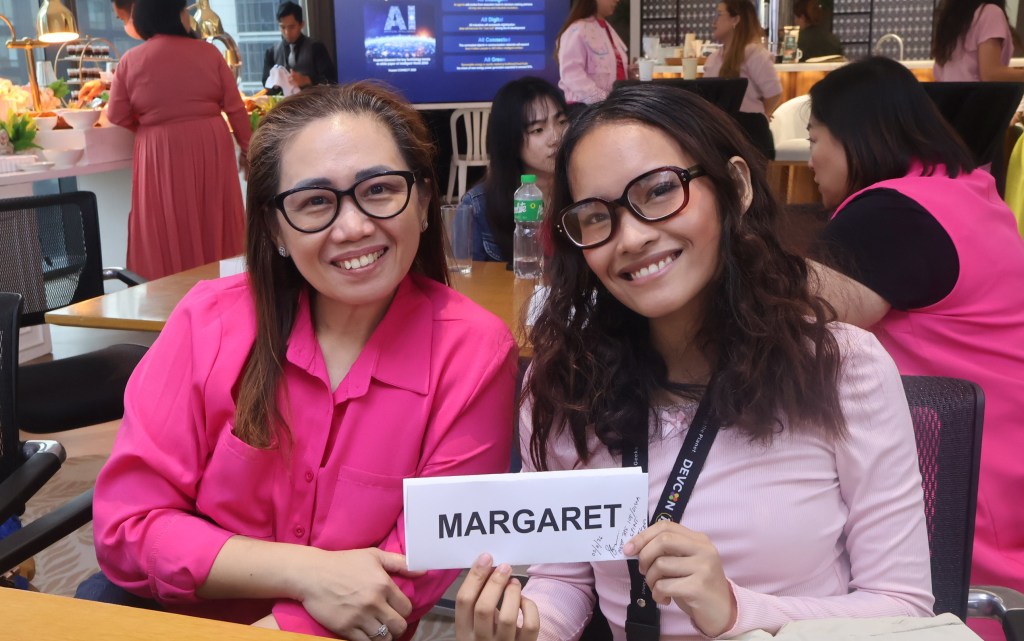

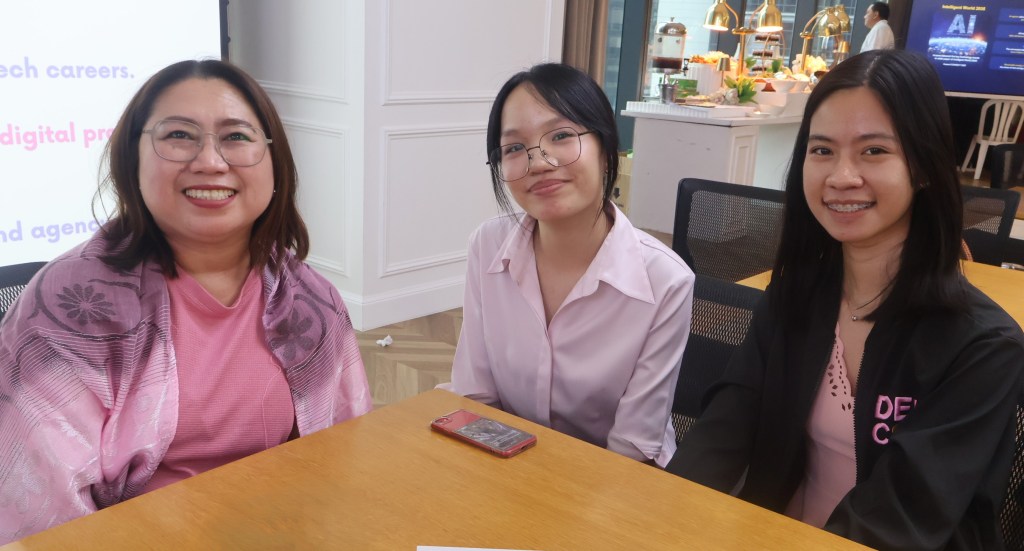

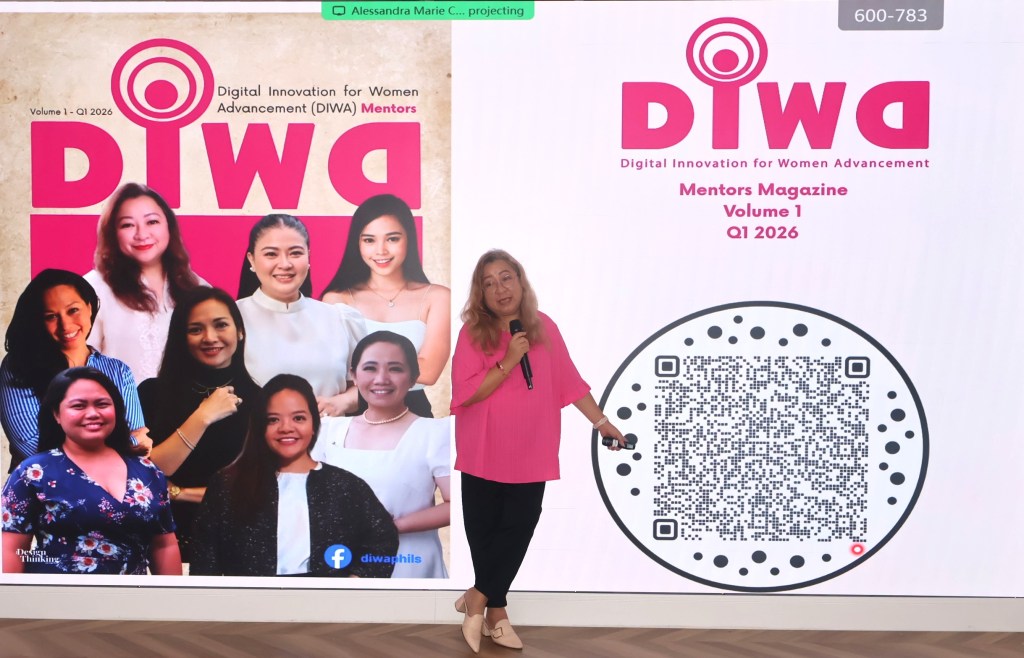

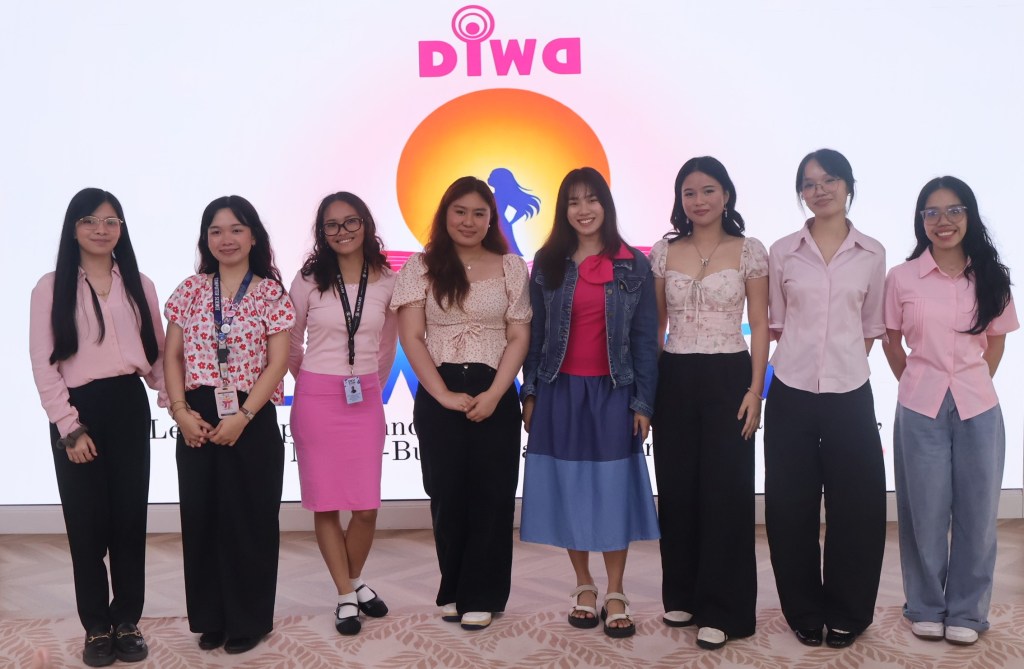
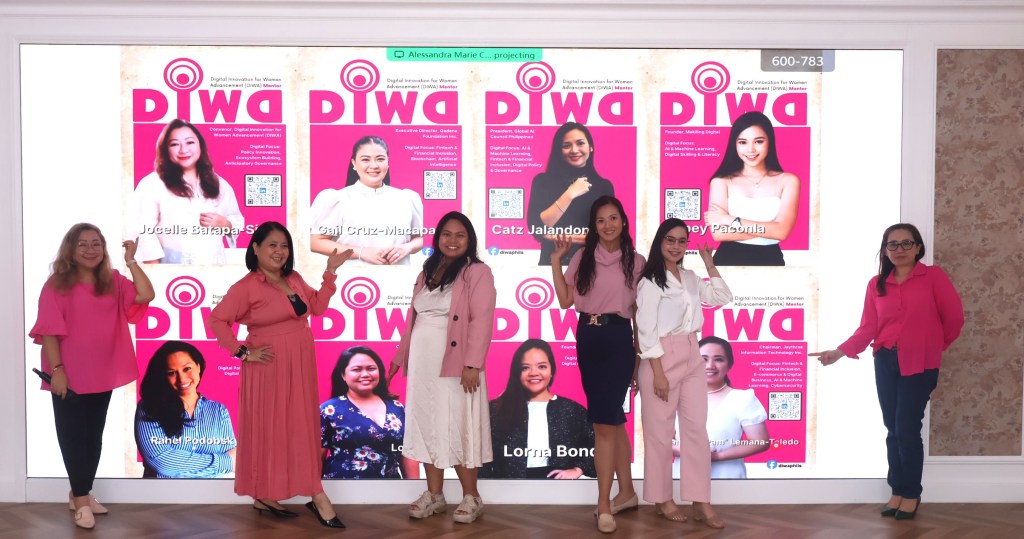
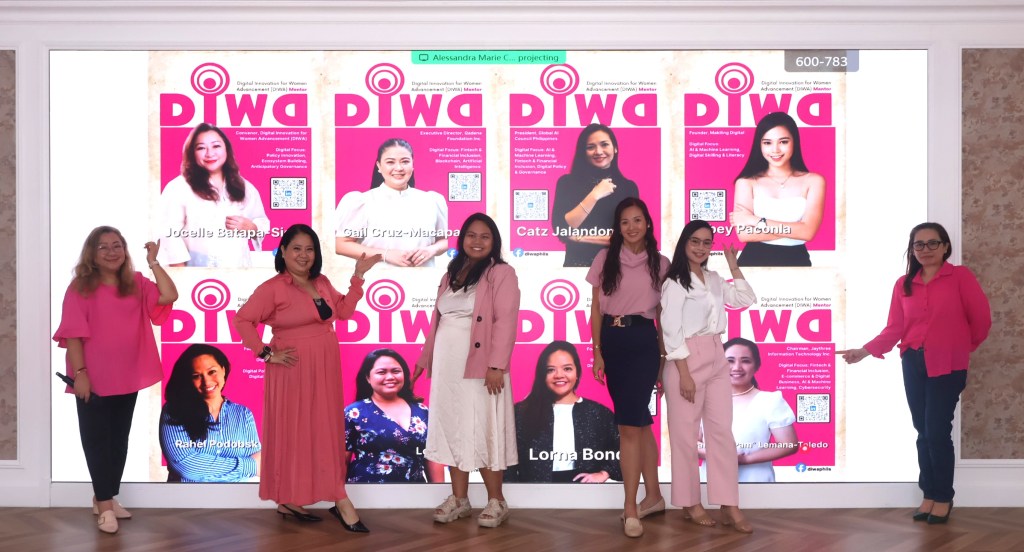
DIWA’s strategies focus on expanding women’s and girls’ access to the Internet as a foundation for their meaningful participation in decision‑making, economic development, innovation, entrepreneurship, and the broader startup ecosystem. It advances efforts to increase their involvement and interest in digital technologies, ICT education, industry certifications, and digital skills training, ensuring that women and girls are equipped for opportunities in the evolving digital economy. DIWA also champions the use of ICTs as powerful enablers of gender equality and women’s empowerment, recognizing the essential role of women and girls in driving inclusive economic growth and shaping resilient, future‑ready societies.
DIWA’s strategic areas focus on equipping women and girls with the full spectrum of in‑demand digital skills needed to thrive in the modern economy—from foundational competencies such as basic computer literacy, digital communication, data handling, and social media management, to advanced capabilities including data analysis and interpretation, digital marketing, coding and software development, cybersecurity, artificial intelligence, machine learning, cloud computing, mobile app development, UX/UI design, project management tools, and digital content creation. By strengthening both essential and emerging digital skills, DIWA ensures that women and girls are not only able to participate in the digital world but are also prepared to lead in innovation, industry transformation, and the future of work.
The urgency to act stems from persistent gender gaps in ICT and STEM participation, the growing demand for digital skills, and the need to ensure that women and girls are not left behind in an increasingly technology‑driven world. Advancing gender equality, economic empowerment, innovation, and inclusive social development requires deliberate, coordinated action. DIWA responds by promoting ICT and STEM education for women and girls, addressing gender biases that limit their opportunities, and expanding access to scholarships, mentorship, and industry partnerships that open pathways into high‑growth digital fields. It also advocates for policy reforms that strengthen gender‑inclusive digital ecosystems and ensure that women and girls can fully participate, contribute, and lead in the digital economy. Through these strategies, DIWA drives a future where women’s digital empowerment becomes a catalyst for national and regional progress.
DIWA Discussions
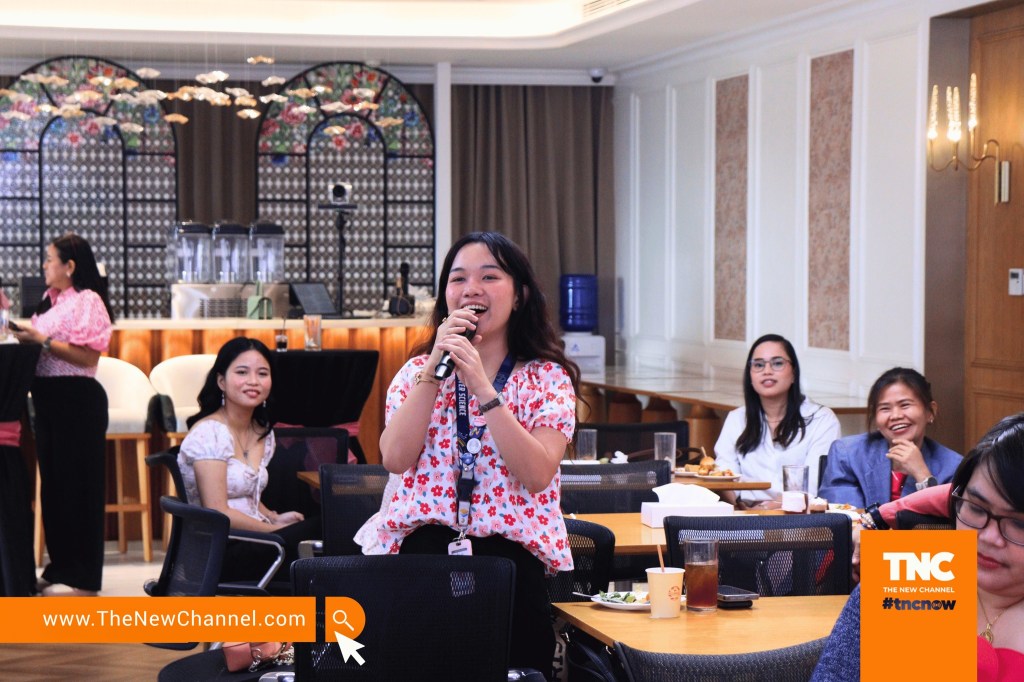
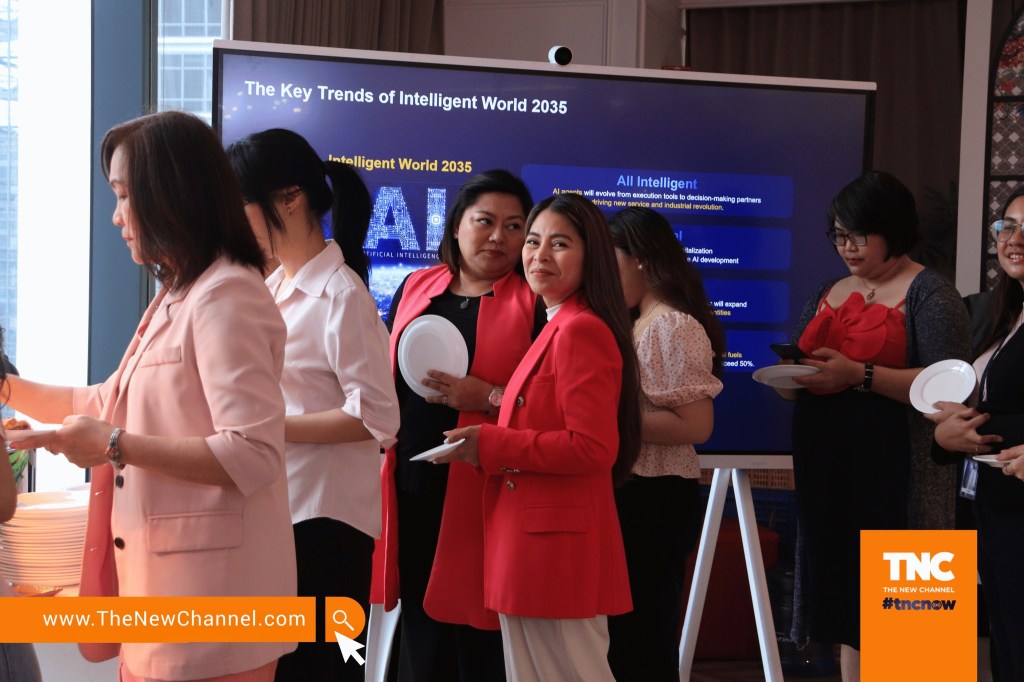
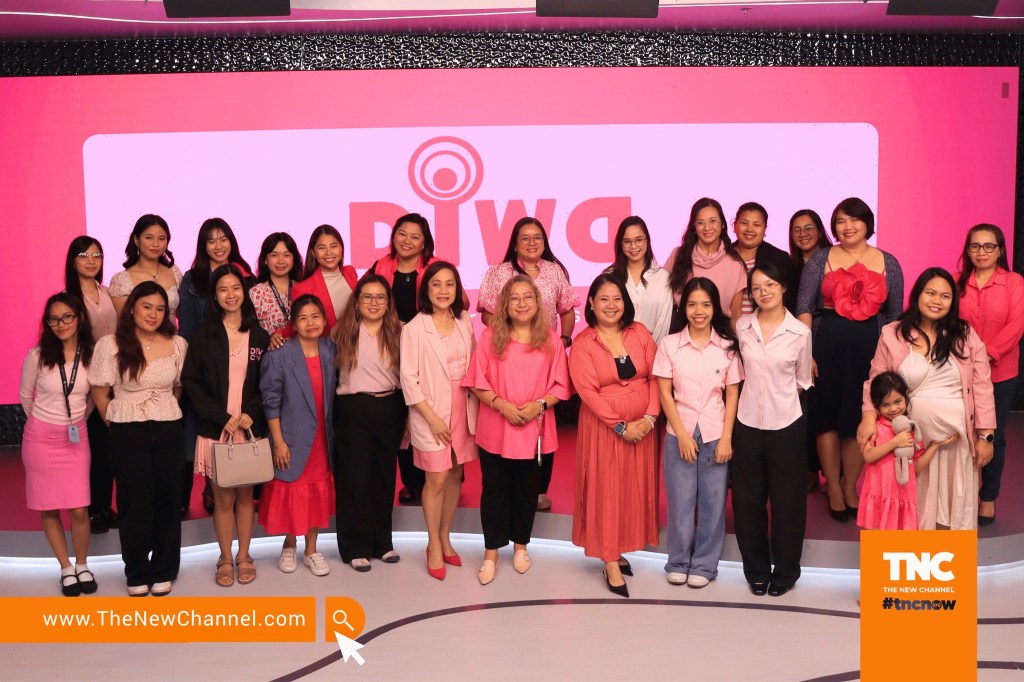
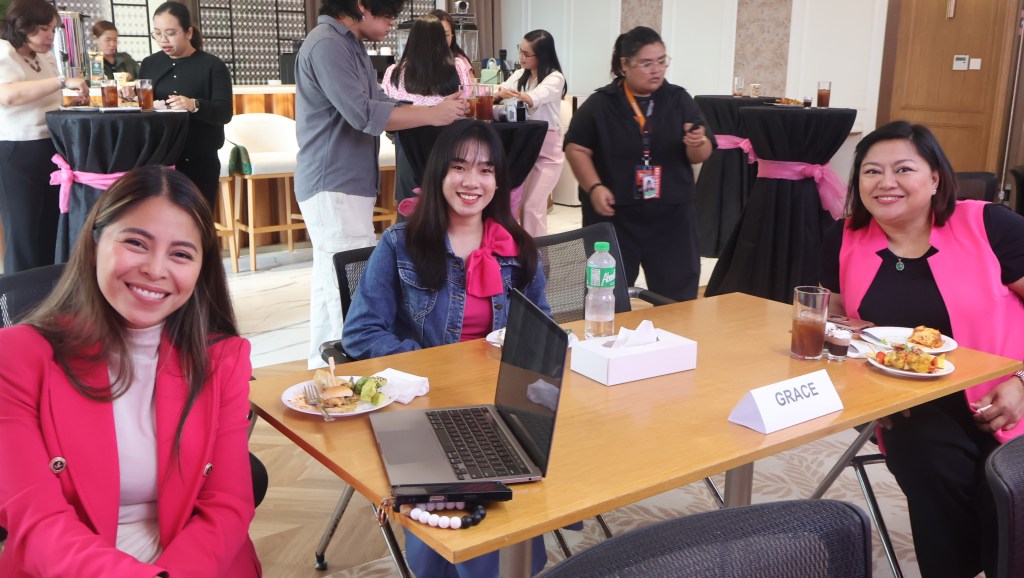
DIWA Discussions bring together a diverse community of participants—women and girls from all sectors of society, senior leaders, young professionals from both public and private institutions, educators and members of the academe, volunteers and NGOs, digital nomads, freelancers, enthusiasts, and even supportive men and boys—to create an inclusive and empowering learning space. These sessions are enriched by speakers who are women senior officials from the DICT, women ICT experts from the private sector, professionals from various digital fields, young women CEOs of tech startups, and other successful Filipino women in ICT who serve as role models for the next generation. Guided by key discussion questions—such as the factors affecting women’s participation in ICT, the strategies needed to increase their involvement, and how each participant can contribute to advancing DIWA’s goals—the dialogue becomes a meaningful exchange of insights, experiences, and commitments. This dynamic flow ensures that every DIWA Discussion is not just an event, but a catalyst for awareness, action, and community‑driven empowerment.
The DIWA Post‑Event Report captures the overall effectiveness and impact of each discussion by documenting key success indicators that reflect both participation and engagement. These include the number of women participants and the sectors they represent, providing insight into the diversity and reach of the initiative; the level of participation, enthusiasm, and quality of suggestions shared during the dialogue, which demonstrates how deeply the participants connected with the themes of digital empowerment and gender inclusivity; and the identified ways forward or next steps, which guide organizers, partners, and communities in sustaining momentum beyond the event. Together, these indicators ensure that every DIWA activity contributes meaningfully to long‑term empowerment outcomes and continuous program improvement.


















 Digital Innovation for Woman Advancement